
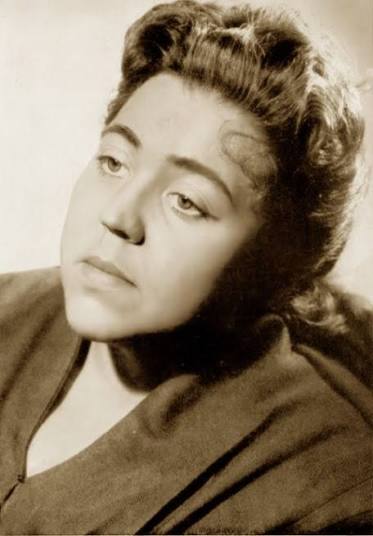
Episode 493. Hanne-Lore Kuhse and Kurt Masur: Deutsche Einheit Edition
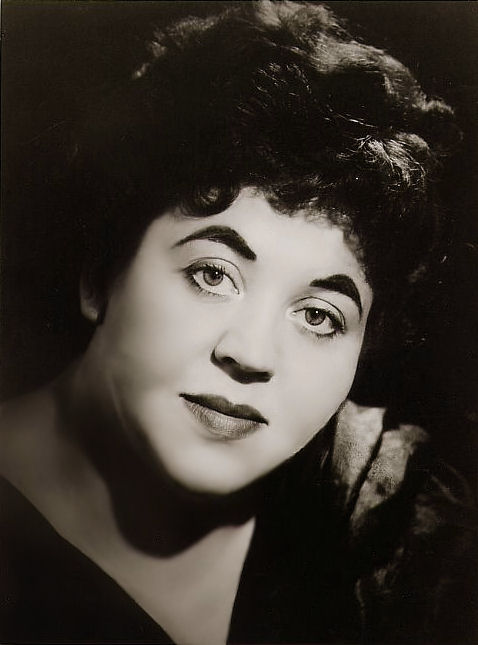
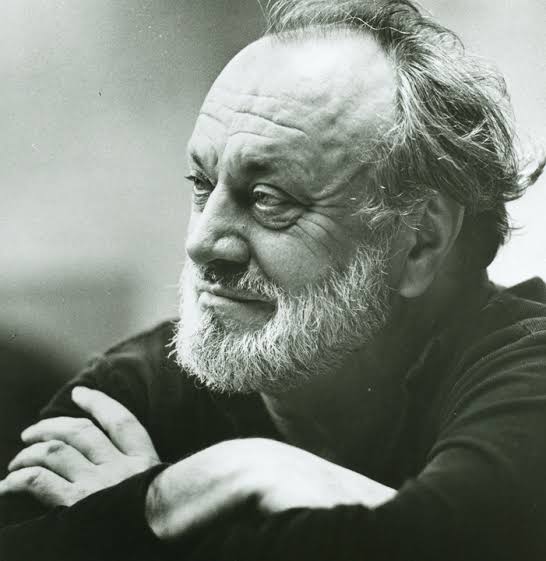
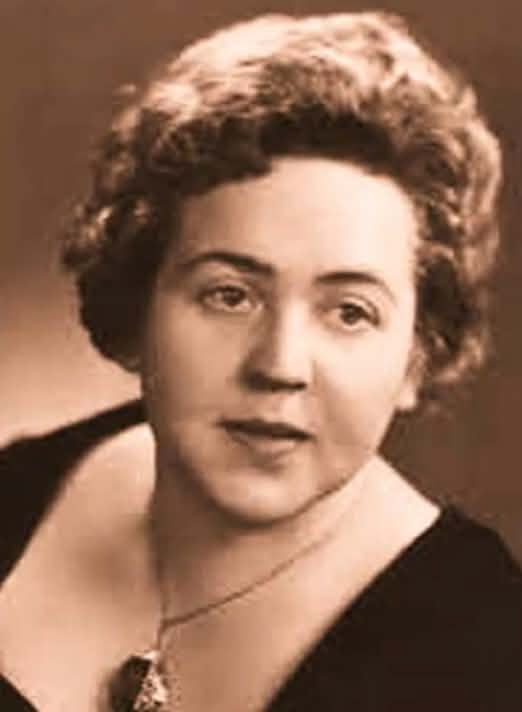
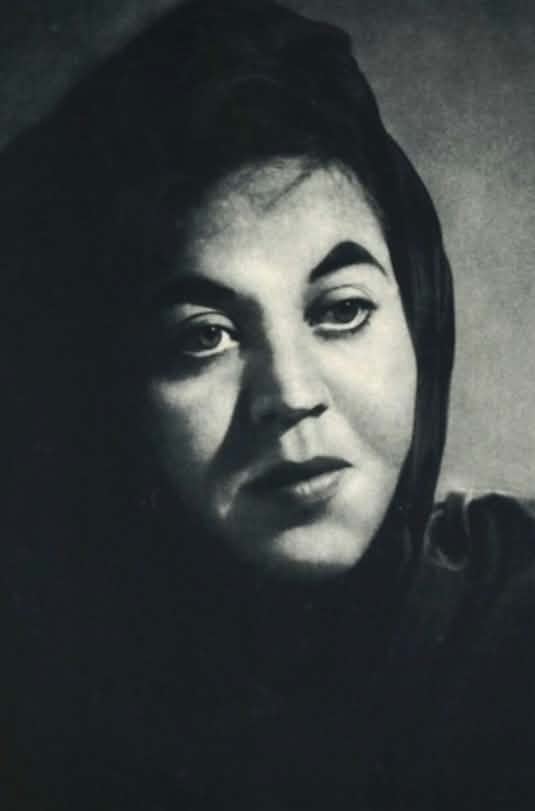
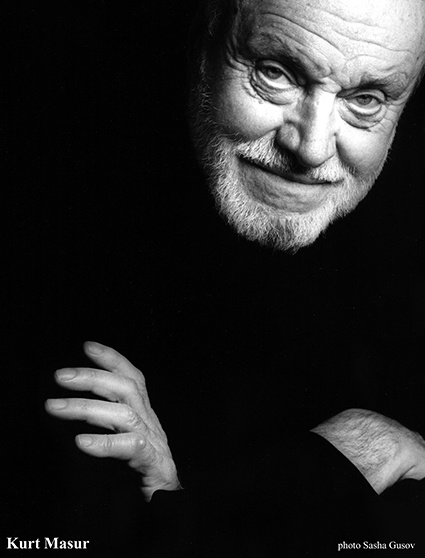
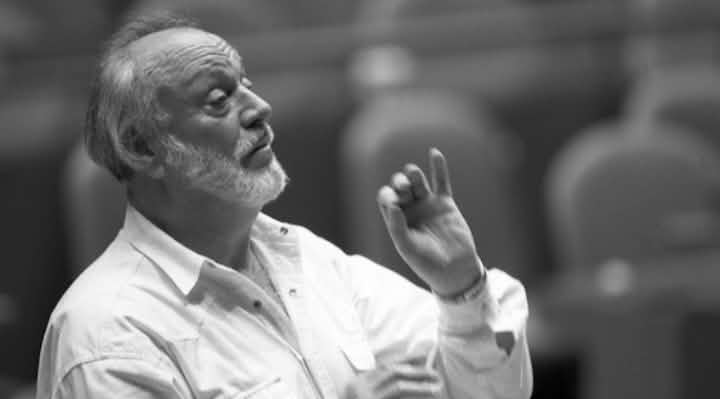
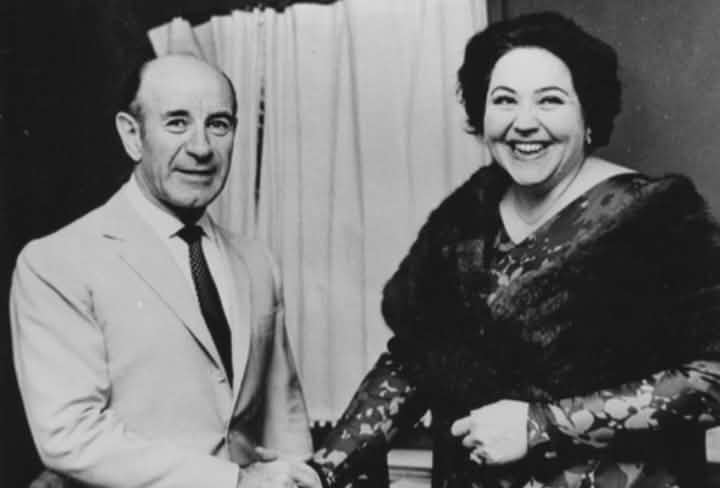
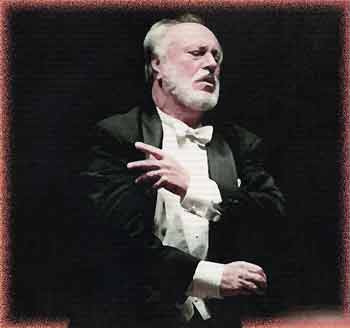
Today, October 3, is probably the most significant of all German holidays, the Tage der Deutschen Einheit, the day on which we celebrate “Die Wende,” German reunification. Though the country in some ways is more divided than it has ever been (shades of my own home country!), we somehow must continue to hold on to hope and love as the forces that drive us on. It just so happens that the episode I was planning for today fits in quite nicely with today’s theme of German reunification, as it presents two significant East German musicians, the jugendlich dramatisch soprano Hanne-Lore Kuhse, and the conductor Kurt Masur. The latter figure, in fact, played a significant part in Germany’s coming back together. The two of them were collaborators from the beginning of their respective careers, as they both performed at the Mecklenburgisches Staatsoper in Schwerin in the 1950s. The trajectory of Masur’s later career is well known; after Schwerin, Kuhse herself was a leading soprano first in Leipzig and then at the Staatsoper Unter den Linden in Berlin, finding her greatest personal success during a surprising yet brief sojourn to the United States in 1966, where she performed in Boston, New York, Philadelphia, and Los Angeles in particular, just missing out (thanks to the machinery of the East German bureaucracy) on a Metropolitan Opera debut as Isolde, probably her greatest role. Today’s episode presents, nearly in its entirety, a 1968 release for the East German Eterna label which brought Kuhse and Masur back together. Another in the label’s Ein Opernabend mit… series, this installment features Kuhse and Masur collaborating on arias from Don Giovanni, Fidelio, Macbeth, and several Wagner operas, including Tannhäuser, Lohengrin, and Tristan. I supplement these with additional recordings of Kuhse, both live and studio, in Turandot, Iphigenia auf Tauris, Don Carlos, Radamisto of Handel, Tiefland by Eugen d’Albert, and Der Friedensengel of Siegfried Wagner. Still remembered by aficionados of great singing, Kuhse is revealed once again (or for the first time) as one of the most important German sopranos of the mid-twentieth century.
RECORDINGS HEARD IN THIS EPISODE
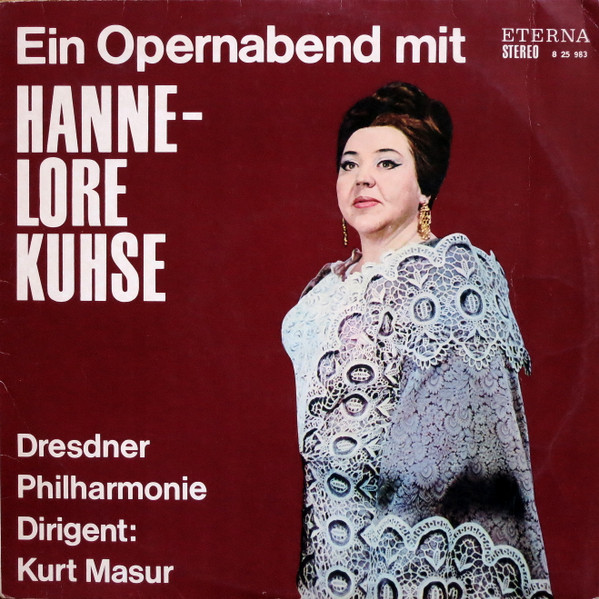
All tracks feature soprano Hanne-Lore Kuhse and, unless otherwise notated, Kurt Masur leading the Dresdener Philharmonie.
Ludwig Van Beethoven, Joseph Sonnleithner [after Jean-Nicolas Bouilly]: So leuchtet mir ein Farbenbogen (Fidelio). Karl Egon Glückselig, Orchester des Mecklenburgischen Staatstheaters Schwerin [live Schwerin 1953]
Richard Wagner: Dich, teure Halle, grüß’ ich wieder (Tannhäuser) [1968]
Giacomo Puccini, Giuseppe Adami, Renato Simoni [after Carlo Gozzi, German translation by Alfred Brüggemann]: Eis, das dich entflammt [Gelo che ti dà foco] (Turandot). Kurt Masur, Orchester des Mecklenburgischen Staatstheaters Schwerin [live Schwerin ca. 1958]
Christoph Willibald Gluck, Nicolas-François Guillard [after Euripides, German translation by Johann Daniel Sander]: O du, die mir das Leben gab [O toi, qui prolongeas mes jours] (Iphigenia auf Tauris). Heinz Rögner, Großes Rundfunk-Orchester Leipzig [Leipzig radio studio recording, 10.IV.60]
George Frideric Handel, Nicola Haym [German translation by Heinz Rückert]: Wer kennt des Menschen Herz [Fatemi, o ciel, almen] (Radamisto). Horst-Tanu Margraf, Händel-Festspielorchester Halle [1962]
Wolfgang Amadeus Mozart, Lorenzo da Ponte [German translation by Hermann Levi]: Ich grausam? O nein, Geliebter!… Sag mir nicht, o mein Geliebter [Crudele? Ah, no, mio bene… Non mi dir, bell’idol mio (Don Giovanni) [1968]
Ludwig Van Beethoven, Joseph Sonnleithner [after Jean-Nicolas Bouilly]: Abscheulicher! Wo eilst du hin… Komm, Hoffnung… Ich folg’ dem innern Triebe (Fidelio) [1968]
Giuseppe Verdi, Francesco Maria Piave, Andrea Maffei [after William Shakespeare; German translation by Georg Göhler]: Dieser Flecken kommt immer wieder [Una macchia è qui tutt’ora] (Macbeth) [1968]
Giuseppe Verdi, Joseph Méry, Camille du Locle [after Friedrich Schiller; German translation by Max Kalbeck]: Du, im irdischen Wahn einst befangen [Tu, che le vanità] (Don Carlos). Heinz Fricke, Staatskapelle Berlin [1965]
Richard Wagner: Johohoe! Traft ihr das Schiff im Meere an (Der fliegende Holländer) [1968]
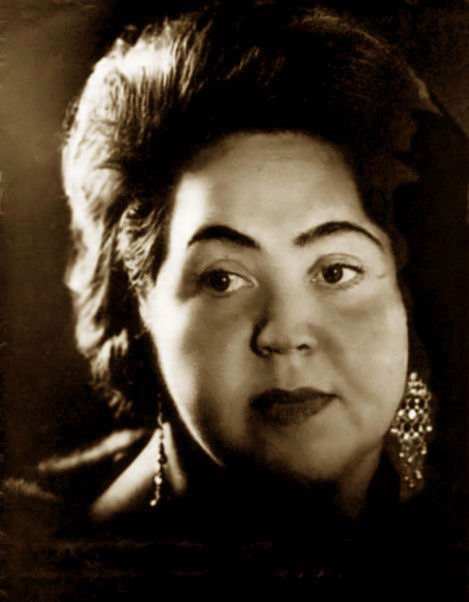
Richard Wagner: Einsam in trüben Tagen hab’ ich zu Gott gefleht (Lohengrin) [1968]
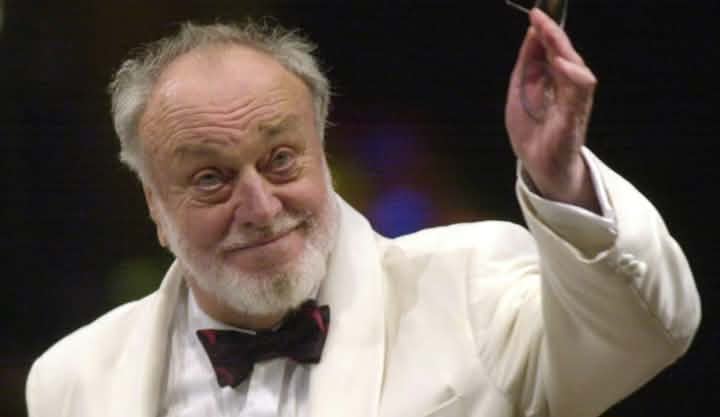
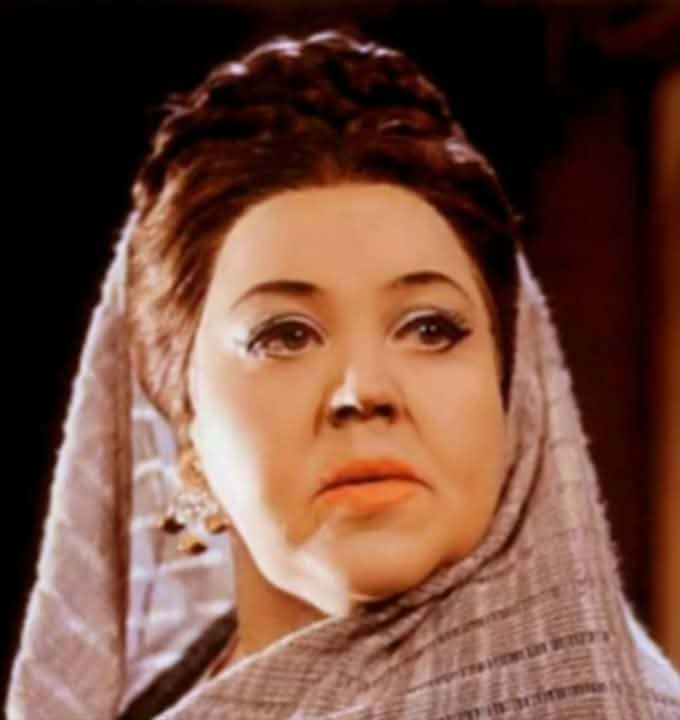
Eugen d’Albert, Rudolf Lothar [after Àngel Guimerà]: Ich weiß nicht, wer mein Vater war (Tiefland). Theo Adam, Paul Schmitz, Staatskapelle Dresden [1963]
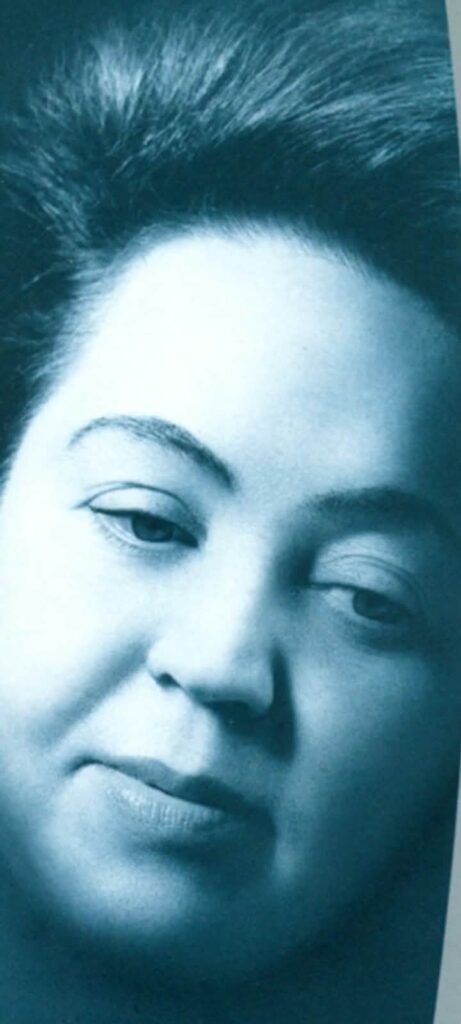
Siegfried Wagner: Nicht sein Tod! Wie konnt’ ich solches Ende ahnen? (Der Friedensengel). Leslie Head, Pro Opera Orchestra and Chorus [live London 23.XI.75]
Richard Wagner: Mild und leise wie er lächelt (Tristan und Isolde) [1968]