Episode 422. Christmas with the Tenors [2019 Throwback]
SOCIAL SHARE
SUBSCRIPTION PLATFORM
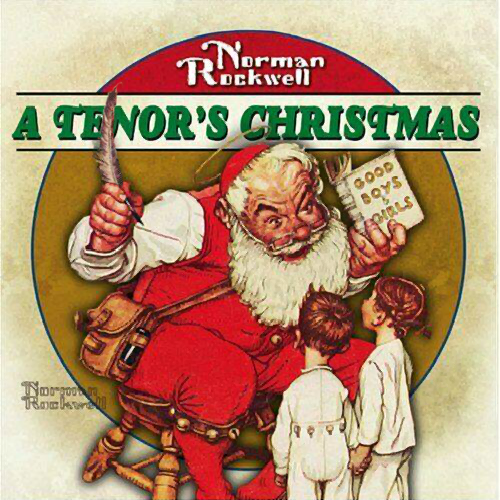
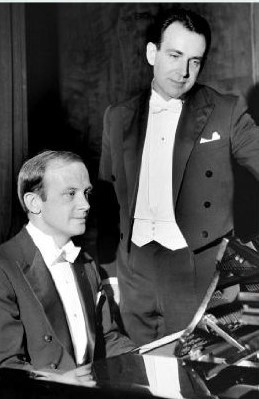
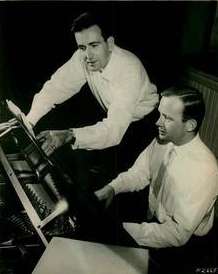
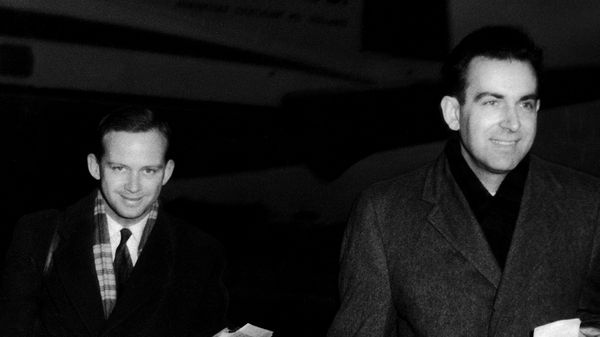
This week is the first of two episodes featuring Christmas music. I decided to feature tenors, but with a difference: none of The Three Tenors will put in an appearance. In compensation, this week I feature a panoply of superb tenors (including Fritz Wunderlich, Georges Thill, Richard Lewis, Roland Hayes, Tino Rossi, Franco Corelli, Ernst Haefliger, Richard Tauber, Karl Erb, and Matthew Swensen) in repertoire ranging across the spectrum (Handel, Adam, Gounod, Bach, Berlin, and traditional Weihnachtsmusik, with some surprises along the way). The episode concludes with a brief musical tribute to Dalton Baldwin, Gérard Souzay’s partner and collaborator, who died this past week at the age of 87.
RECORDINGS HEARD IN THIS EPISODE
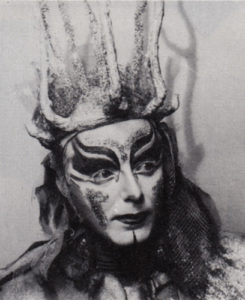
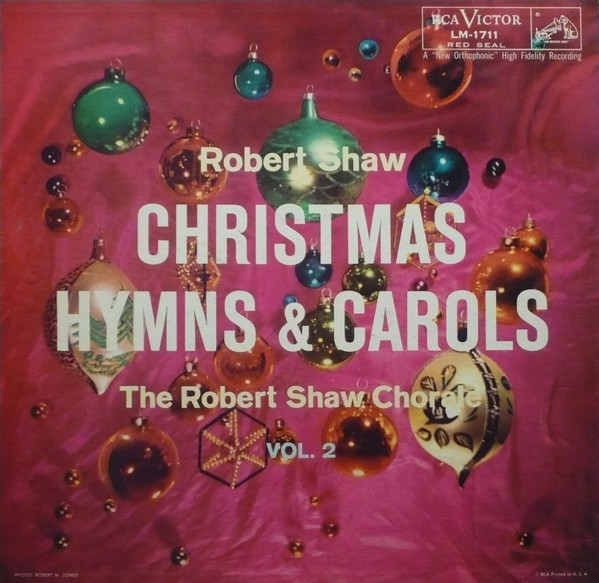
The Cherry Tree Carol. Russell Oberlin, (counter)tenor; with Robert Shaw leading The Robert Shaw Chorale [1957]
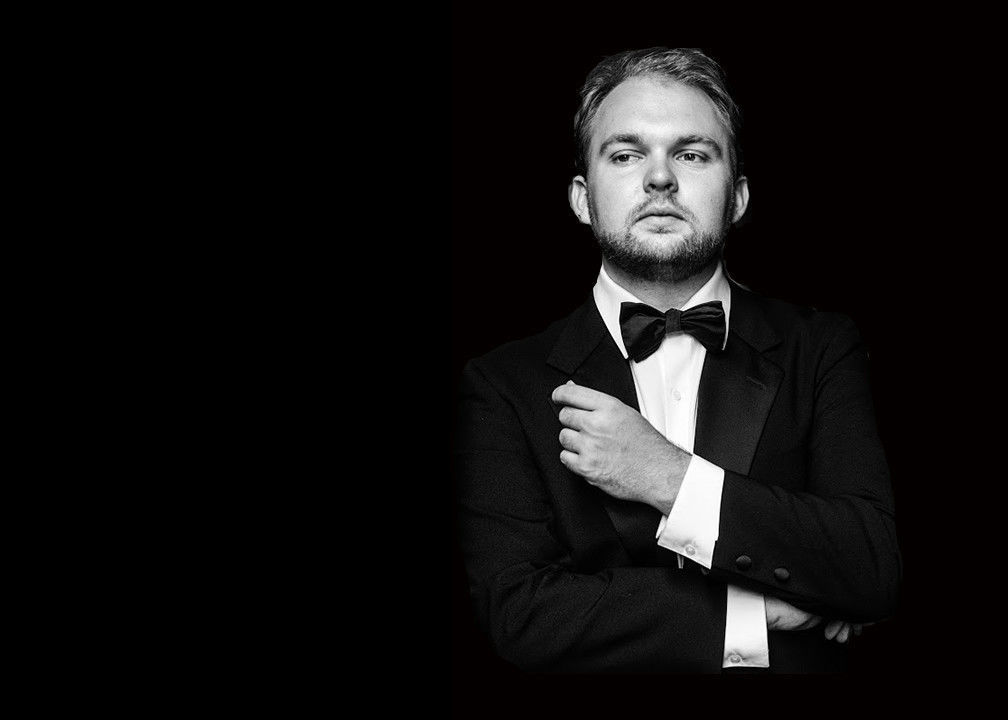
George Frideric Handel: Comfort ye, my people… Ev’ry valley (Messiah). Matthew Swensen,Reinhard Kammler, Residenz Kammerorchester München [live 2019]
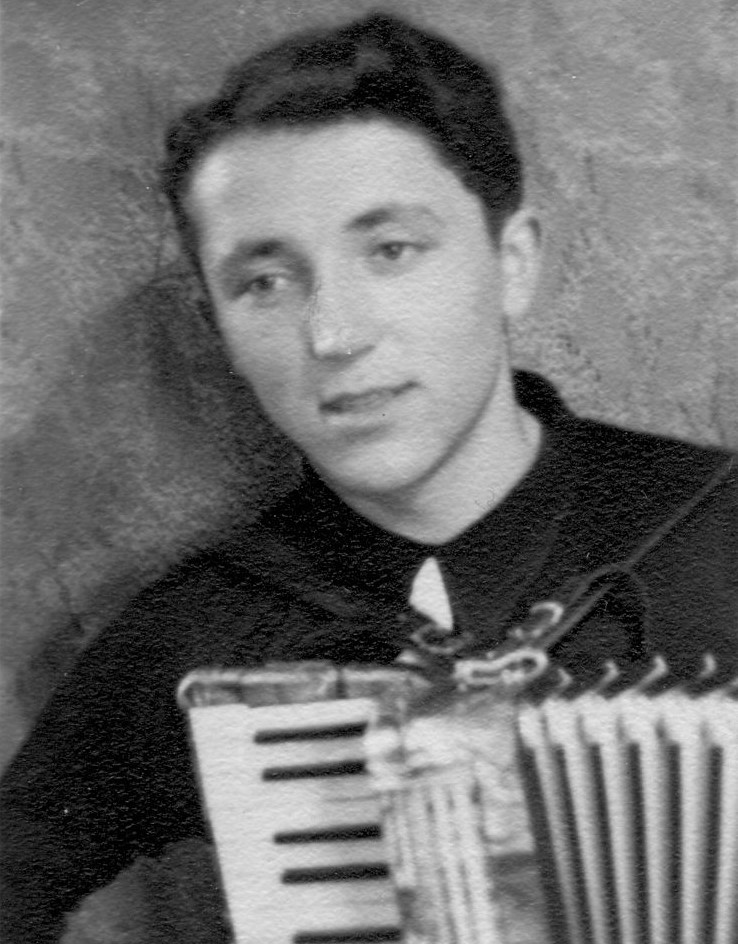
Did you know that a young man’s best friend is his accordeon?
Johann Sebastian Bach: Frohe Hirten, eilet, ach, eilet (Weihnachtsoratorium). Fritz Wunderlich, August Langenbeck, Radio-Sinfonieorchester Stuttgart des SWR [live Stuttgart 18.XII.1955]
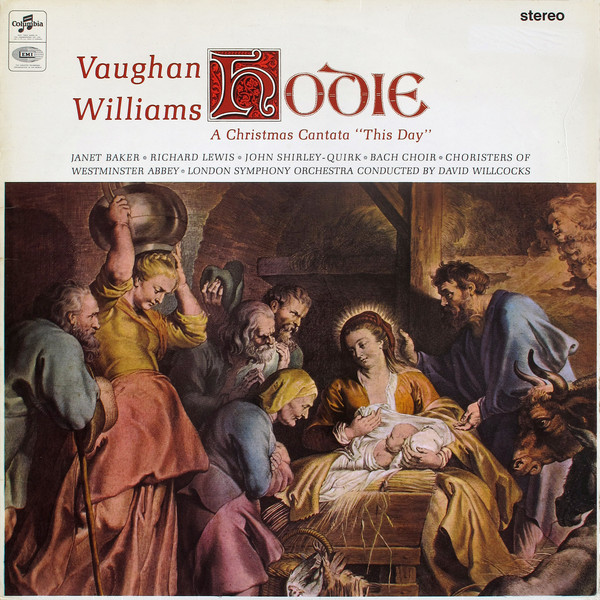
Ralph Vaughan Williams: Bright portals of the sky (Hodie). Richard Lewis, David Willcocks, London Symphony Orchestra [1965].
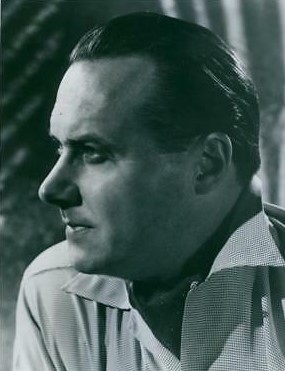
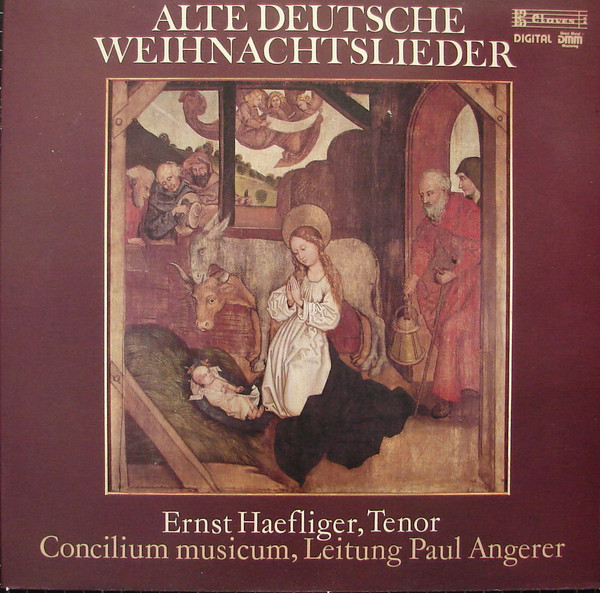
Traditional German, words Carl Riedel: Kommet, ihr Hirten. Ernst Haefliger, Paul Angerer, Concilium musicum [1984]
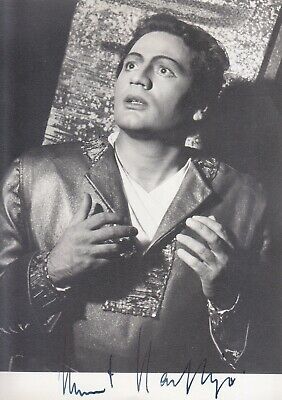
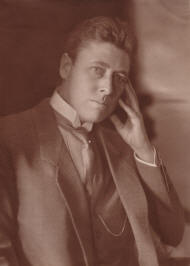
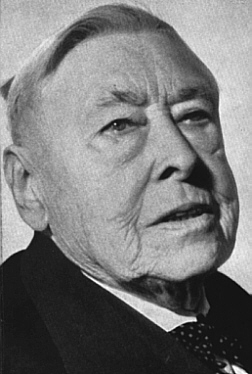
Johann Sebastian Bach: O Jesulein süß, o Jesulein mild, BWV 493. Karl Erb, Bruno Seidler-Winkler [1934]. Erb’s is a strange voice, but it’s one that I respond to very deeply. Some say his timbre resembles that of a countertenor. I’m not sure that I agree, but it is a distinctive sound. He had an enormous operatic repertoire including, perhaps surprisingly, Bacchus in Ariadne auf Naxos, Max in Der Freischütz, Walther in Die Meistersinger, the title roles in Wagner’s Parsifal, Tannhäuser, and Lohengrin and Pfitzner’s Palestrina and Der arme Heinrich as well as more lyrical roles by Gounod, Mozart, and Rossini. I treasure his recordings of Lieder, even those made when he was an old man and nearly voiceless. The humanity in this voice moves me deeply.
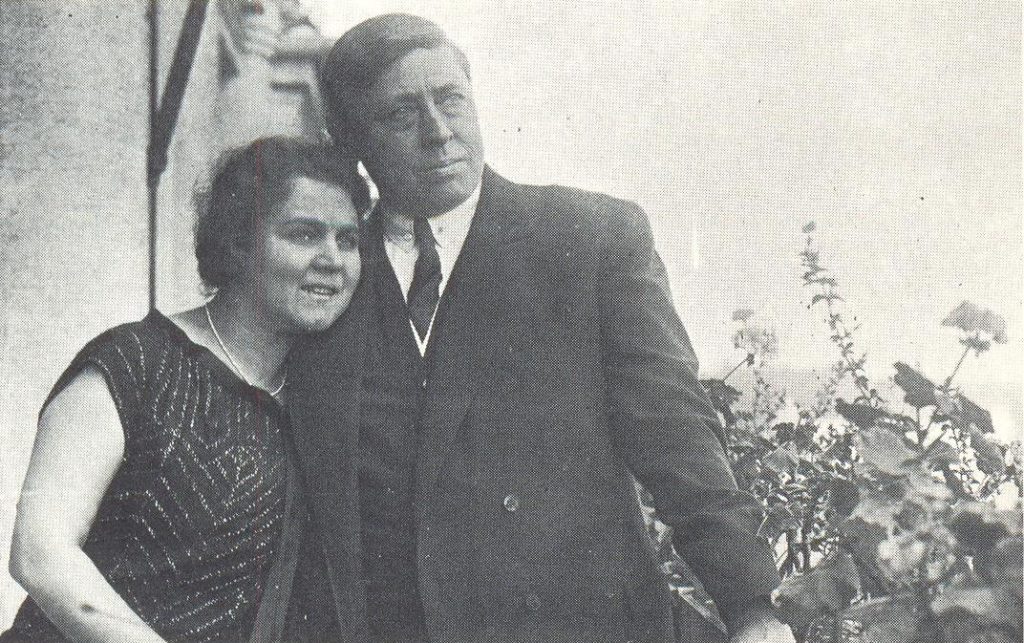
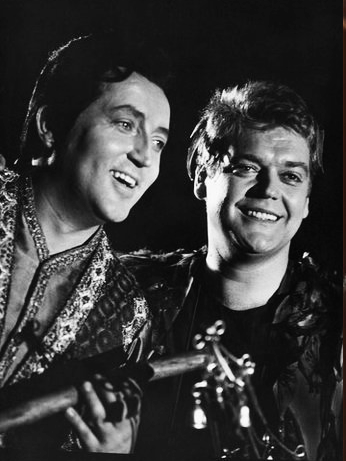
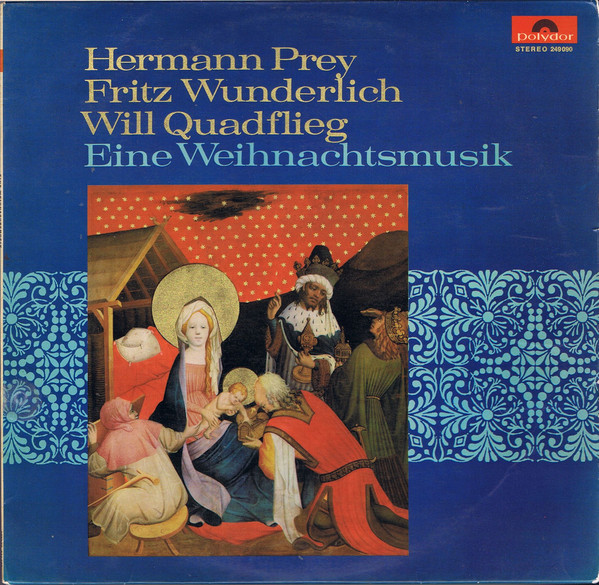
Michael Praetorius: Es ist ein Ros’ entsprungen. Fritz Wunderlich, Instrumental ensemble conducted by Fritz Neumeyer [1966]
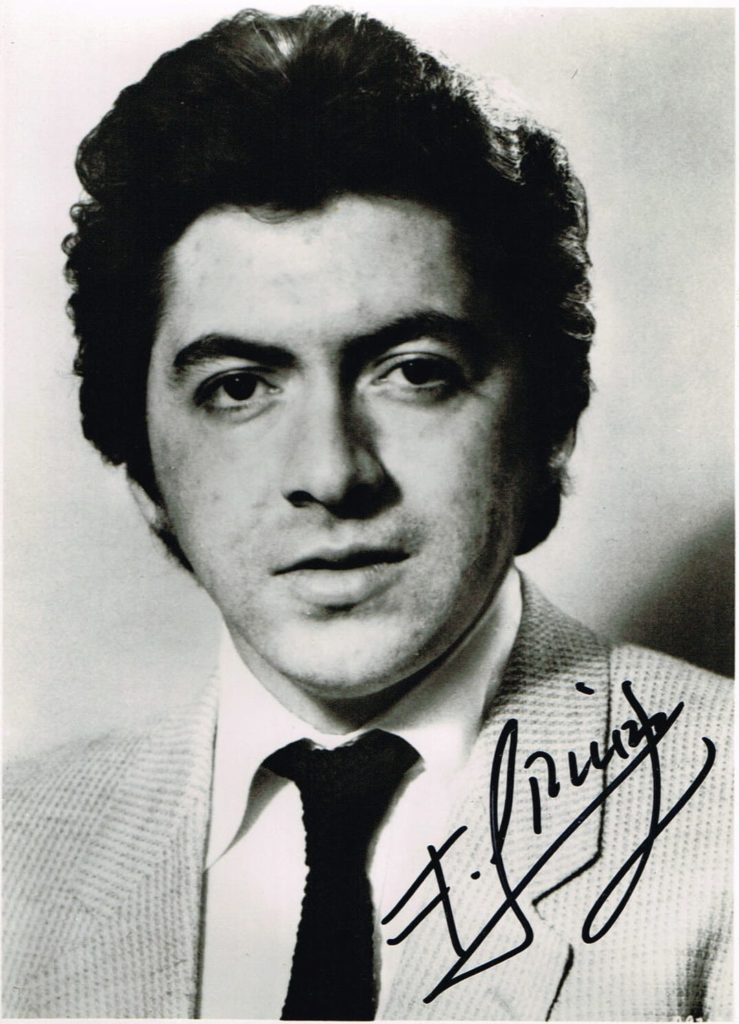
César Franck: Panis angelicus (Messe à trois voix). Francisco Araiza, Enoch zu Guttenberg, Bamberger Symphoniker [1991]
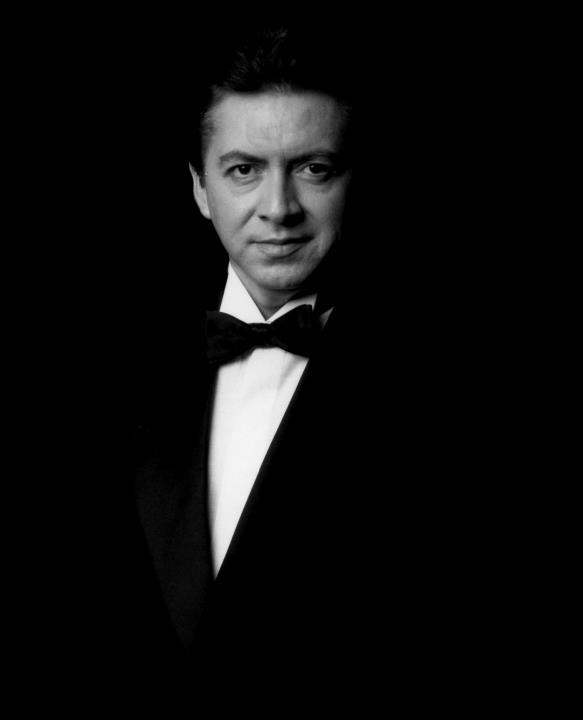
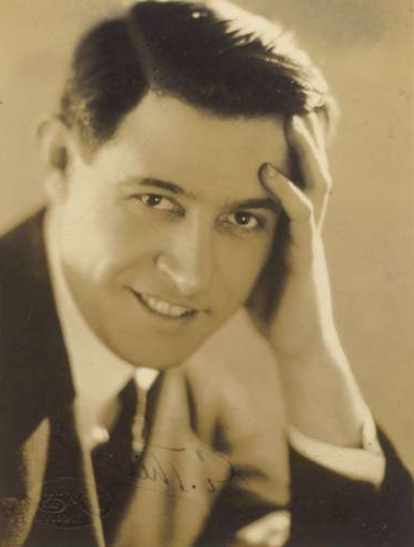
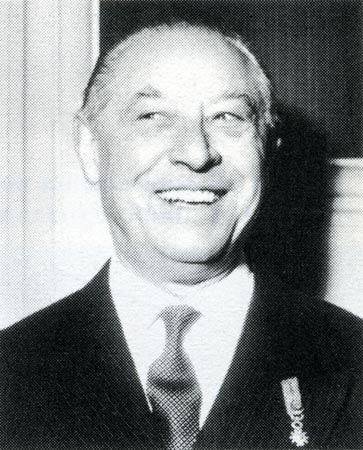
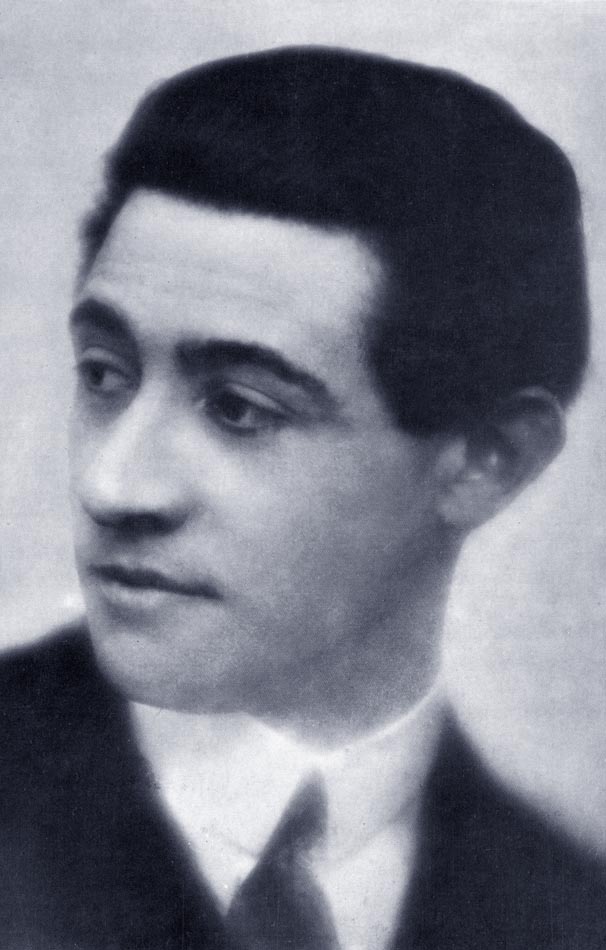
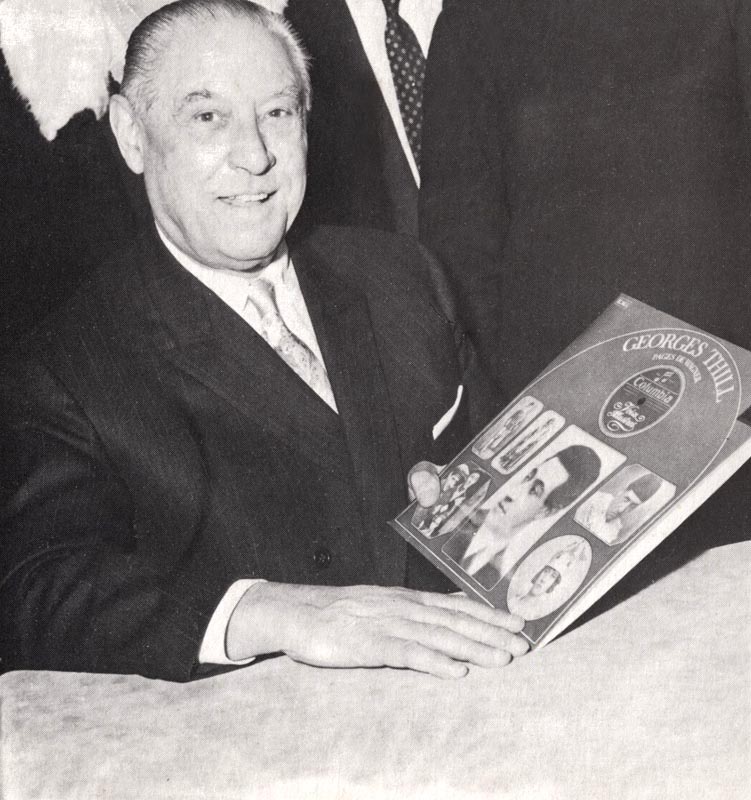
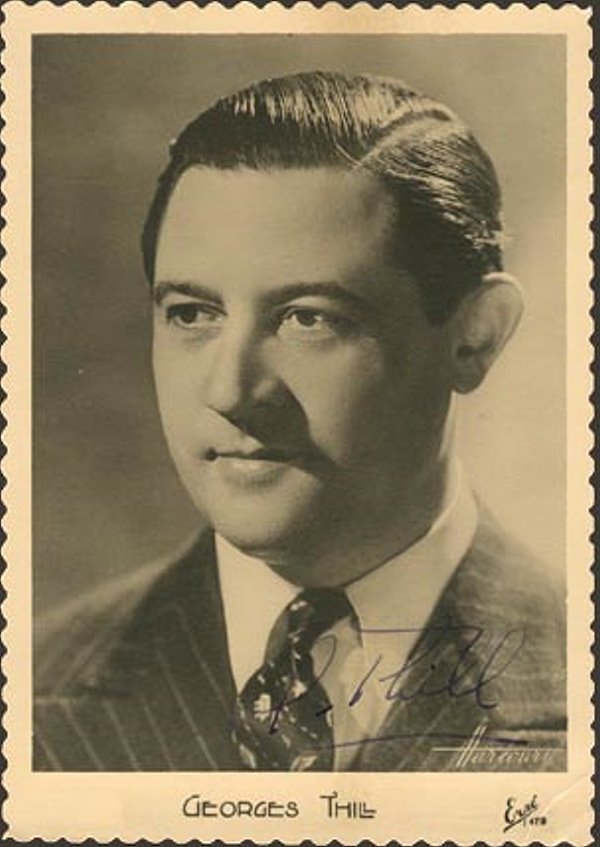
Gabriel Fauré : Noël. Georges Thill, Maurice Faure [1936]. Thill is one of my favorite singers in the entire universe. I will be devoting more time to him in the future. David was just asking me why I liked him and I said, “I just melt when I hear that sound.” He pressed me further as to just what it was about that sound, to which I responded that he has such ease in his high notes, and that in spite of that balance toward the voix mixte (and in face, I would suggest, precisely because of it), he also has a clarion timbre that does justice to the most heroic material. He’s also beautifully expressive and always uses his unique voice in the service of both the words and the music.
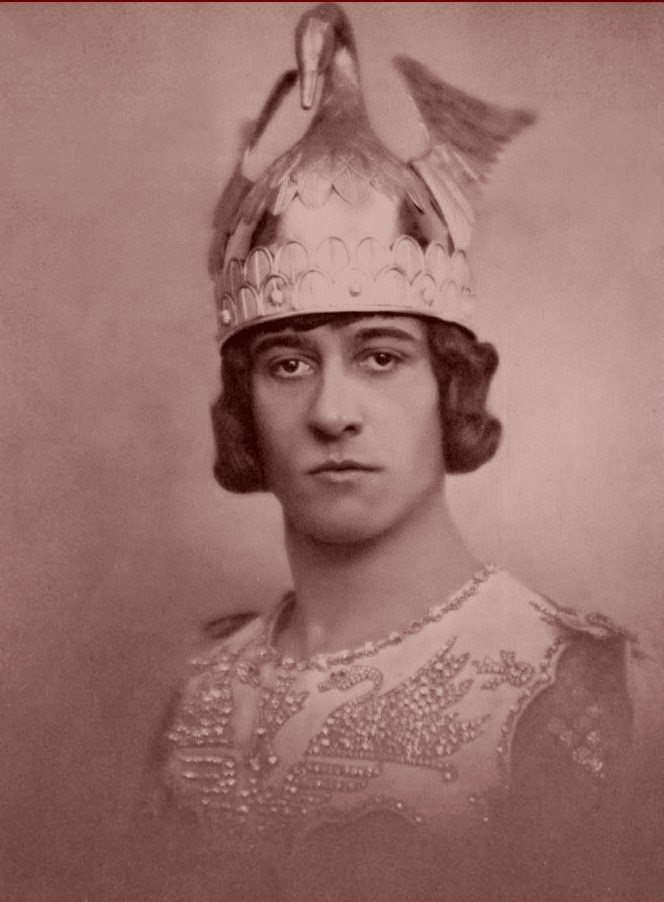
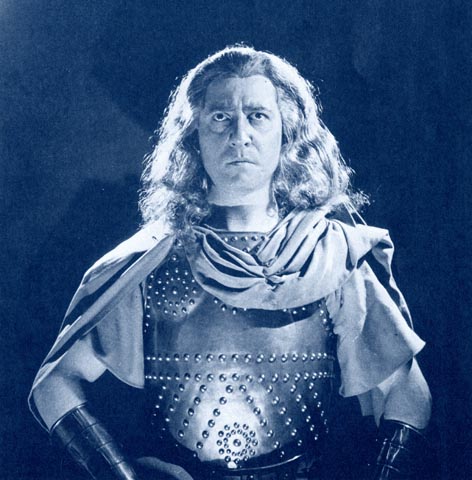
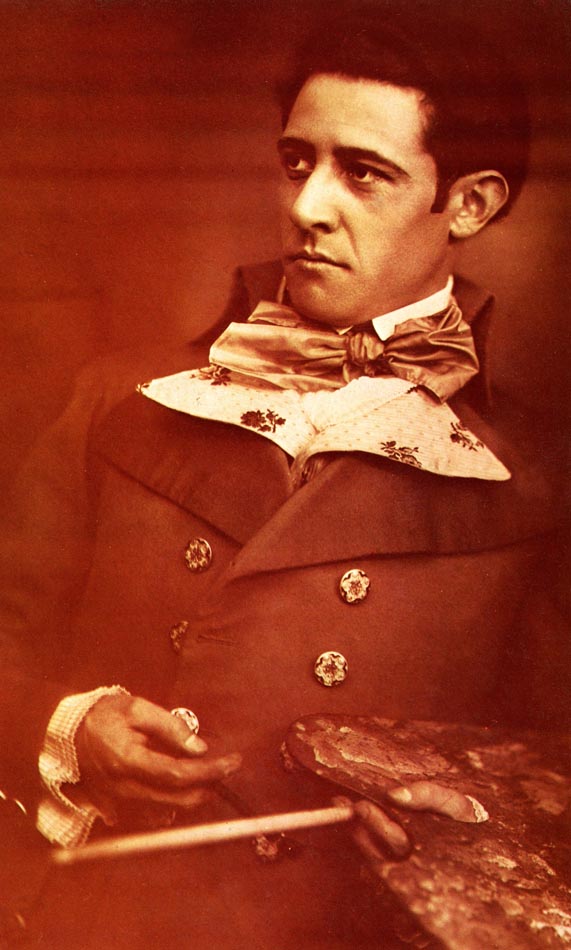
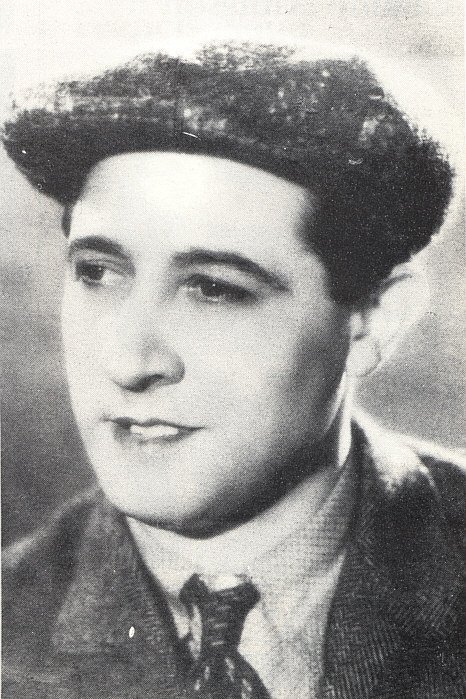
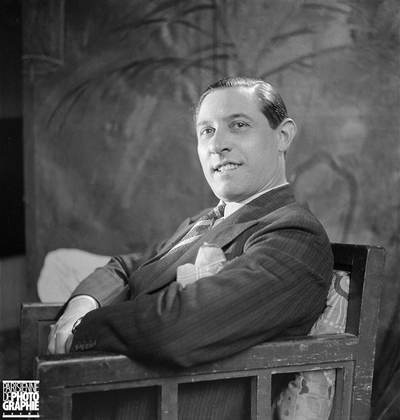
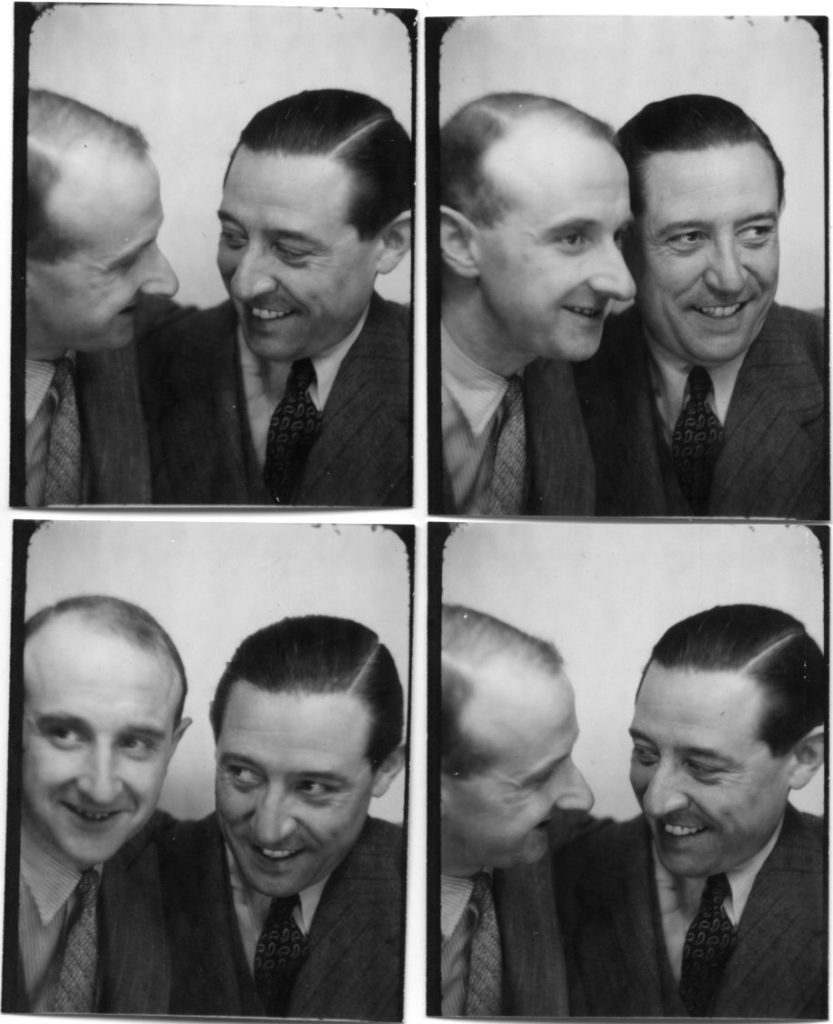
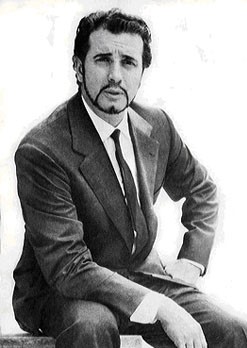
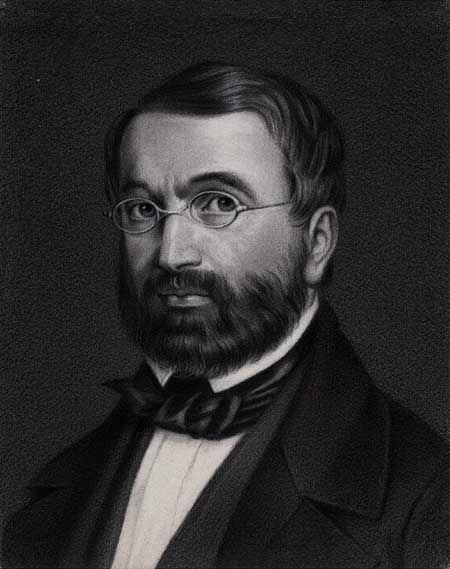
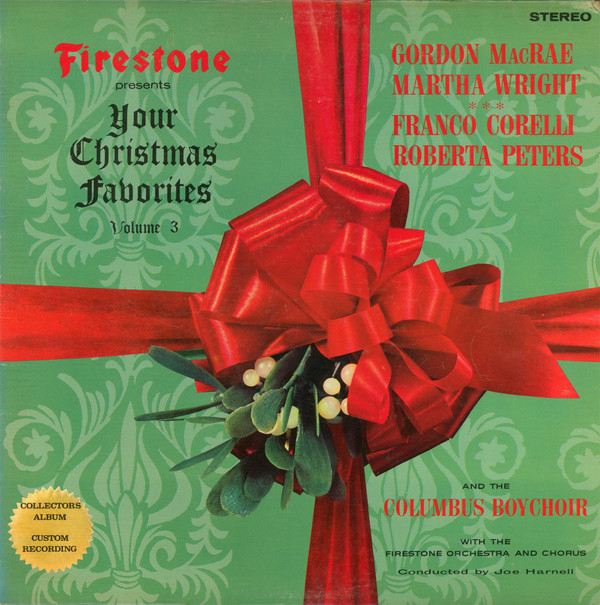
Adolphe Adam: O Holy Night. Franco Corelli, Anton Guadagno [live Cleveland 1967]. Corelli recorded this Christmas aria (for such it is!) for one of those ubiquitous Firestone-produced Christmas albums in the 1960s, but the arrangement is so sappy and horrible (and he eschews the high note!) that I simply could not use it. But imagine my delight when I found this 1967 performance that is cracking with the energy of a live performance. This is one voice that just makes my eyes roll back in my head (and I don’t care if that’s not descriptive enough of the actual voice; even with his ridiculous English pronunciation and his perpetual lisp, Corelli evokes a visceral response in me unlike any other tenor, even Thill (whose near-definitive version of “the Christmas aria” in its original French is not heard on the podcast, but can be found by clicking here).
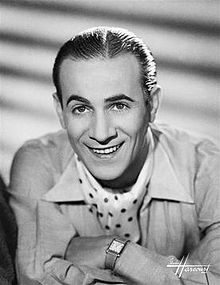
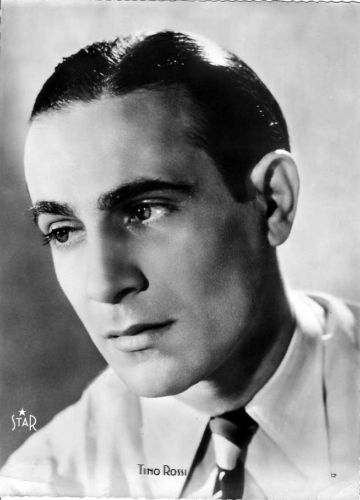
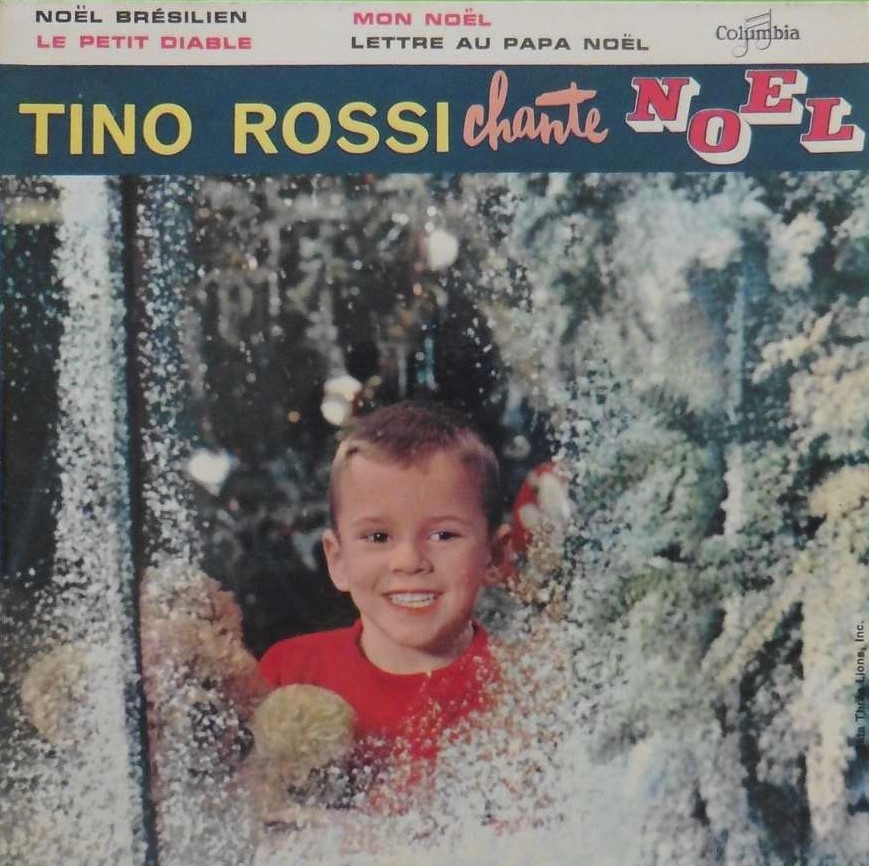
Rostom Sipan Bagdasarian, Sr., Henry Lemarchand, Jean Beauval (AKA Philippe Parès): Lettre au Papa Noël. Tino Rossi [late 1950s]. Tino Rossi is responsible for France’s most popular single of all time, 1946’s “Petit Papa Noël,” (first featured in the film Destin) and a more emotionally manipulative song it would be hard to imagine, although this follow-up is a close second. But this song, I propose to you, is an imposter! Can any of you identify the original version of this song? (Of course if you’ve listened to the podcast, you already know the answer, but if not, clicking on this link will solve the riddle for you. Two clues: it also might help you to know that the original text to the song is in English. It might also be useful to know that the stage name of Mr. Bagdasarian was “Dave Seville.”)
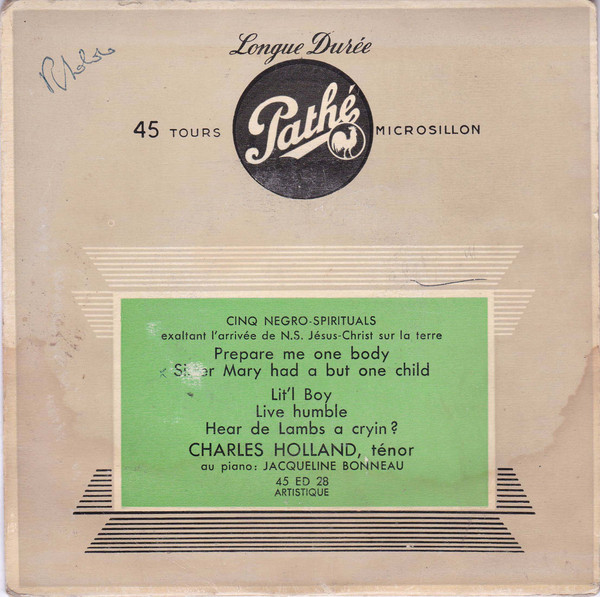
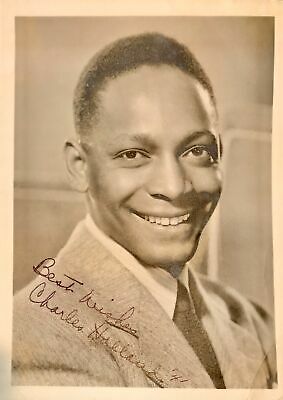
Traditional American Spiritual, arr. Roland Hayes: Sister Mary Had-a but One Child. Charles Holland, Jacqueline Bonneau late 1950s]
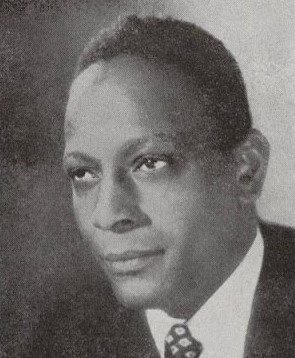
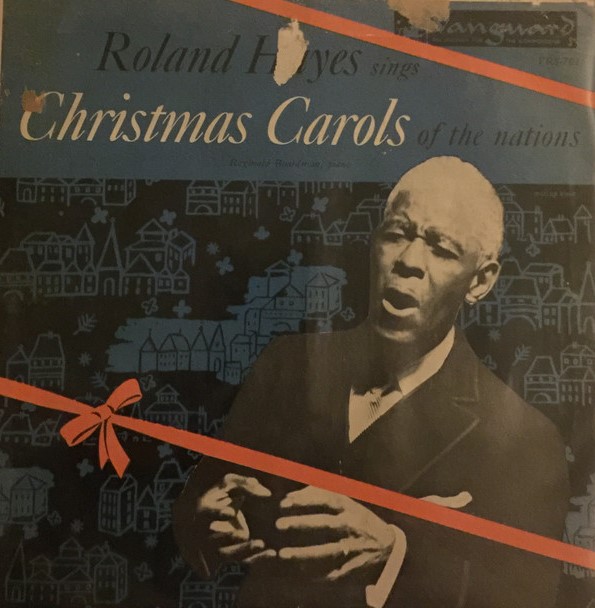
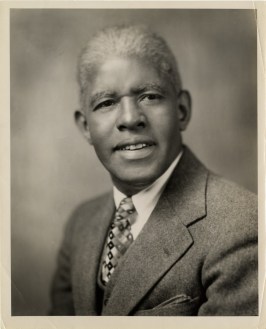
Franz Xaver Gruber, Joseph Franz Mohr: Stille Nacht. Roland Hayes, Reginald Boardman. From Christmas Carols of the Nations, Vanguard Records, VRS 7016). Roland Hayes, like Charles Holland, was an icon, a pathbreaker, and a great artist. Even here, hovering around the age of 70 and with very little voice left, he gives a moving performance of the perennial worldwide Christmas favorite.
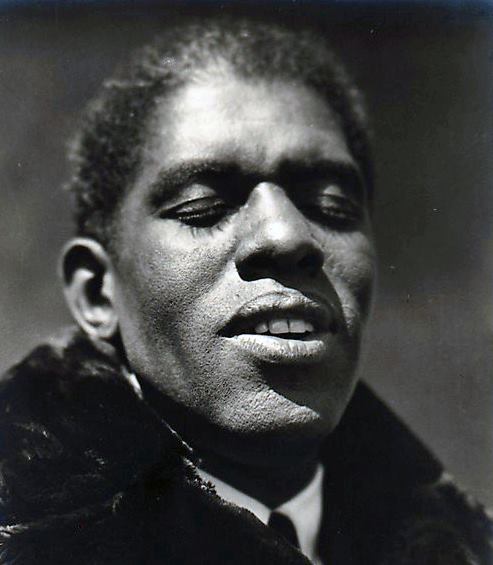
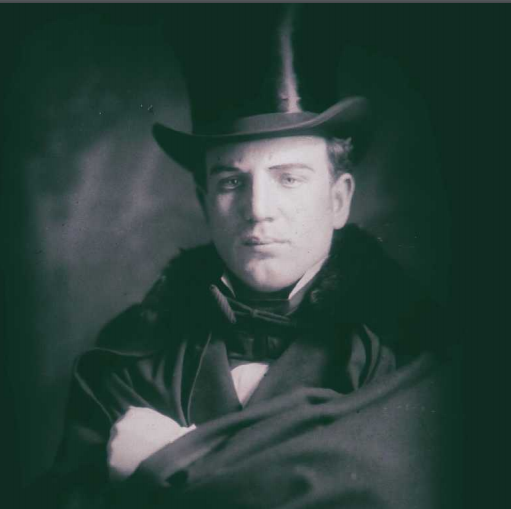
Irving Berlin: White Christmas. Richard Tauber [1944]. I love that the episode ends with a little language and cultural reversal: Roland Hayes singing in German and Richard Tauber singing in English. Earlier I had been waxing rhapsodic on Georges Thill: don’t even get me started on Richard Tauber. As I said on the podcast, he occupies a place in my heart as do few other singers. His masterful ability to float high notes became a trademark of his. But, like Karl Erb, he had an enormous operatic repertoire that embraced roles like Calaf in Turandot and Paul in Die tote Stadt, both of which he sang in important local premieres in the early days of each work.
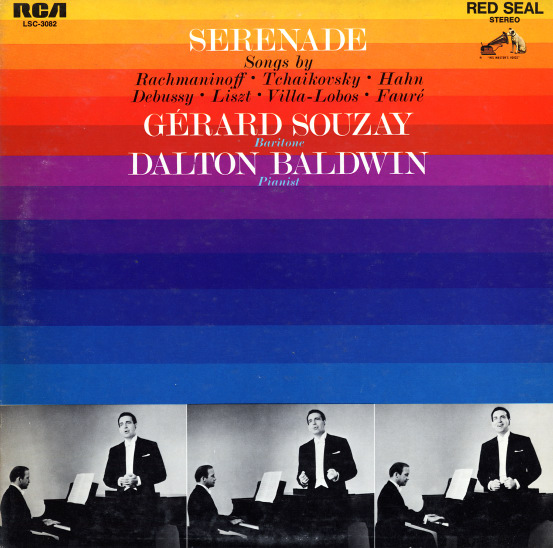
Claude Debussy: Noël des enfants qui n’ont plus de maison. Gérard Souzay, Dalton Baldwin [1969]. RIP Dalton Baldwin, 19.XII.1931 – 12.XII.2019.