Episode 467. Eidé Noréna Sings Gounod
SOCIAL SHARE
SUBSCRIPTION PLATFORM
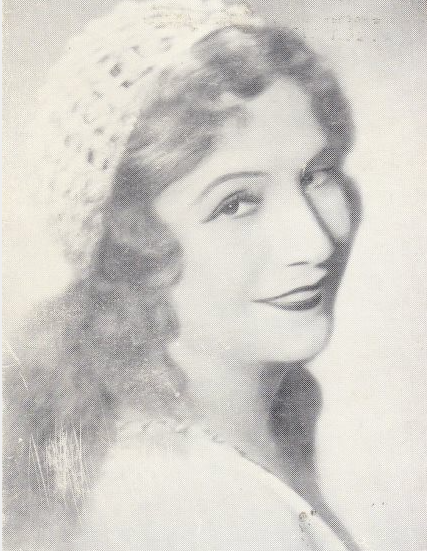
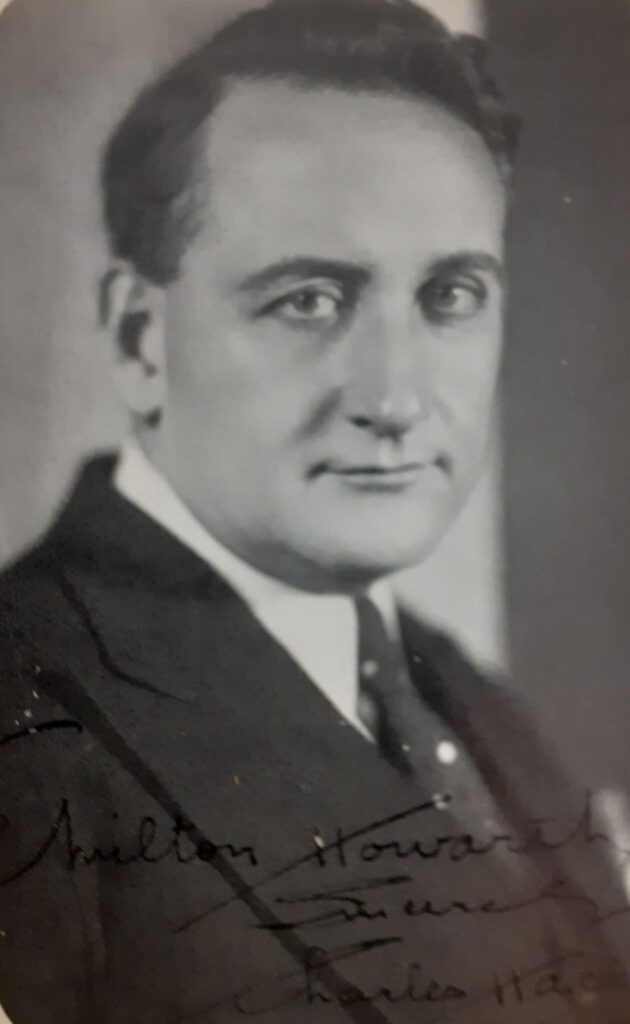
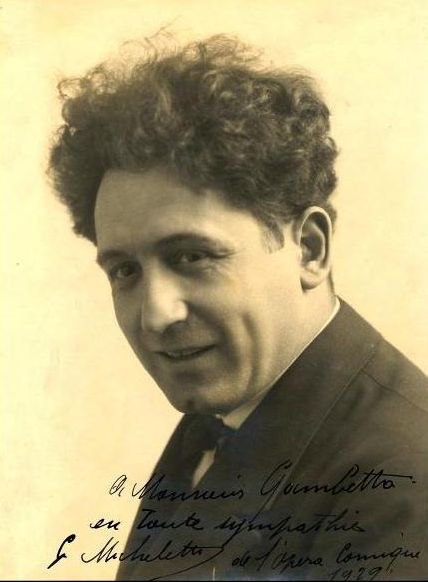
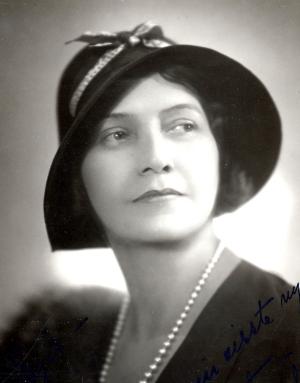
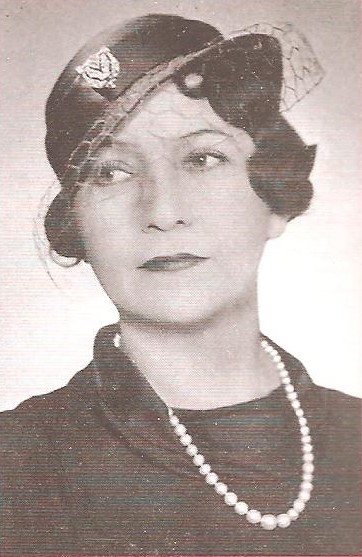
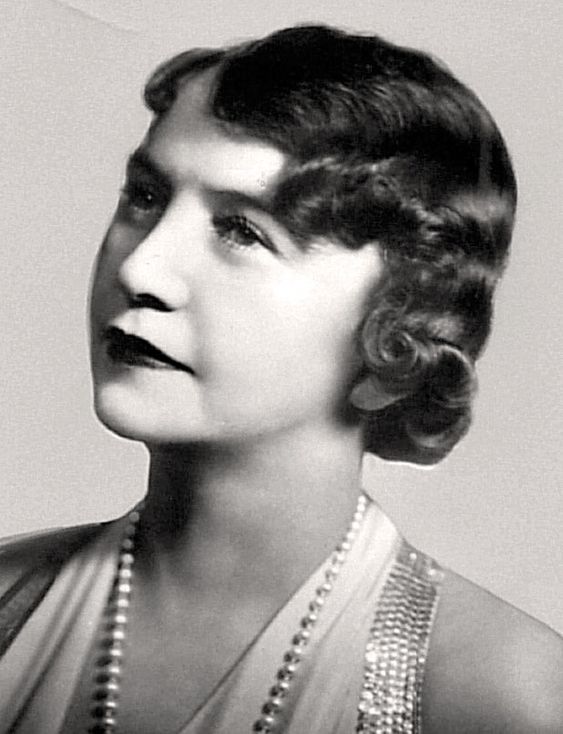
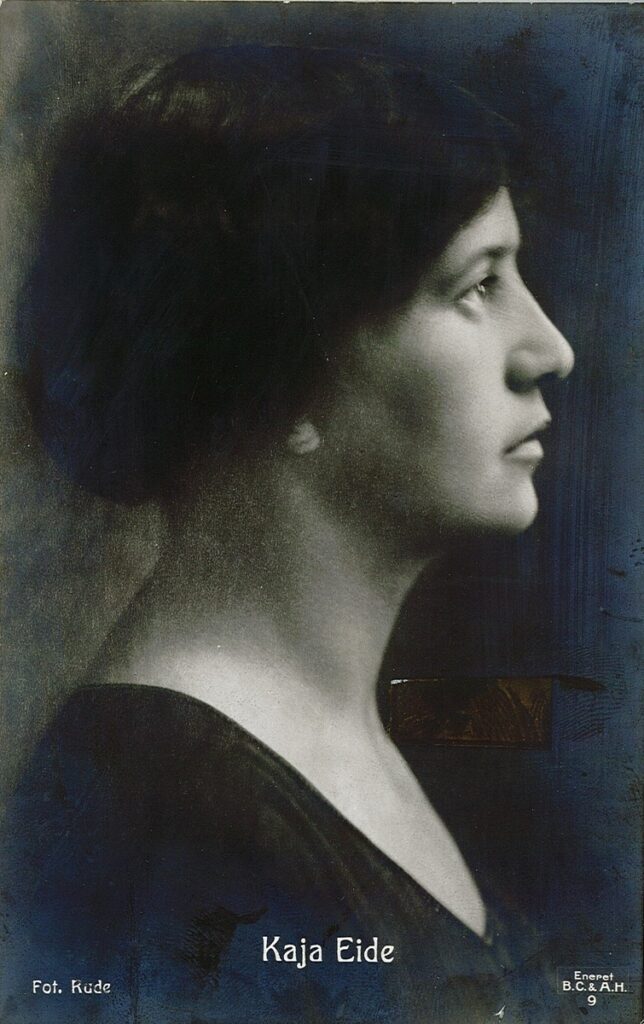
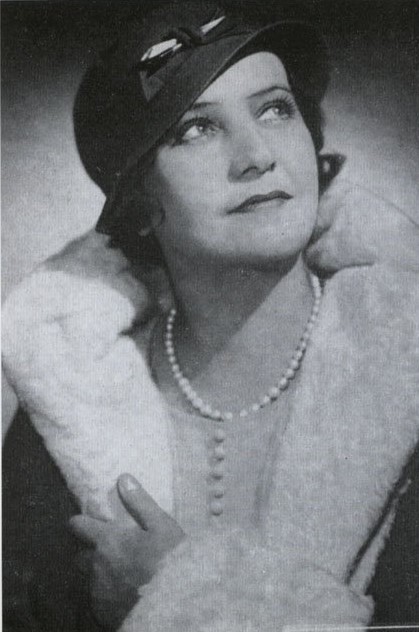
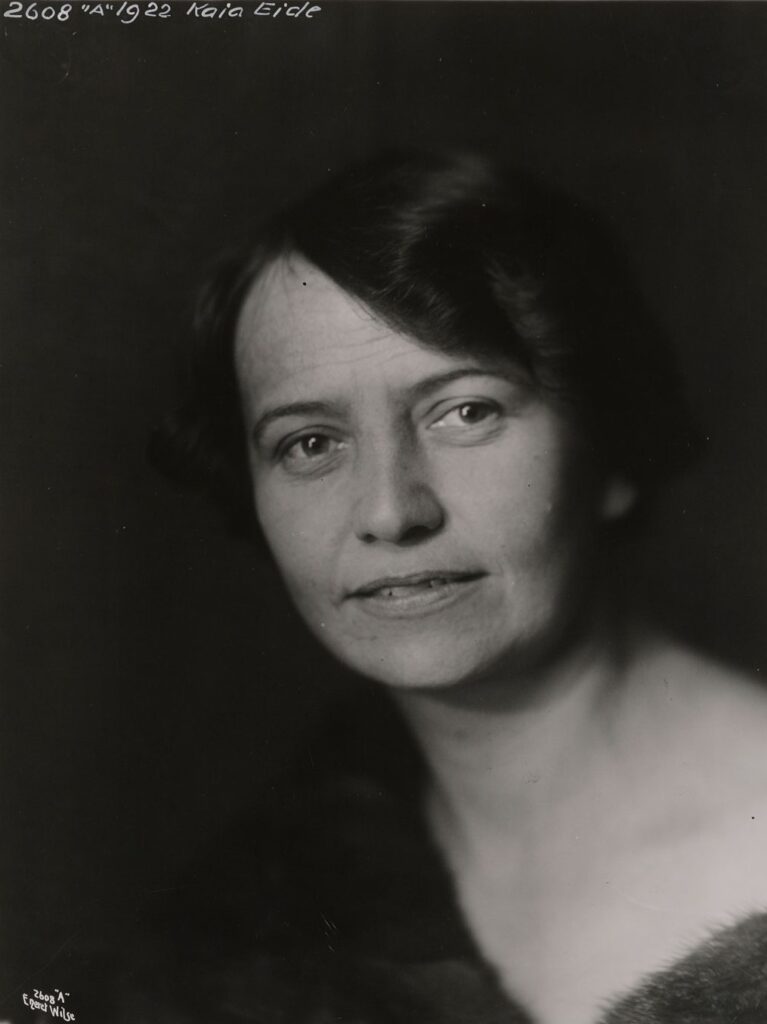
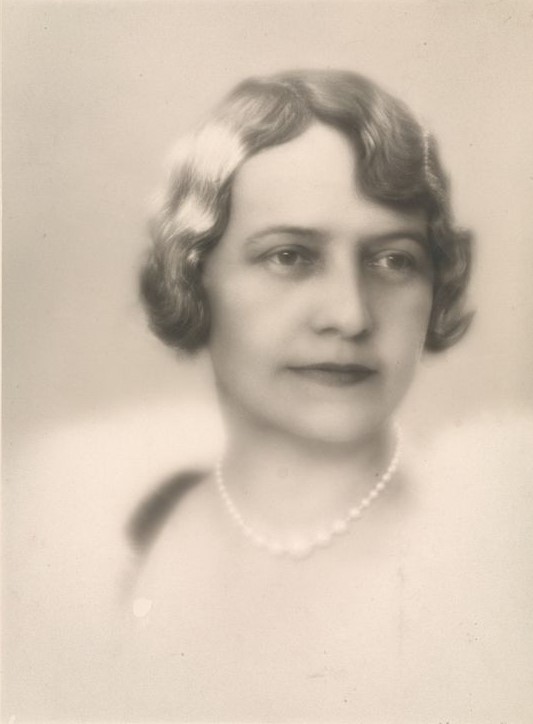
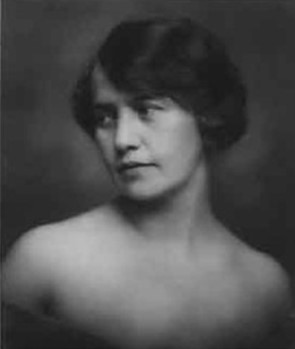
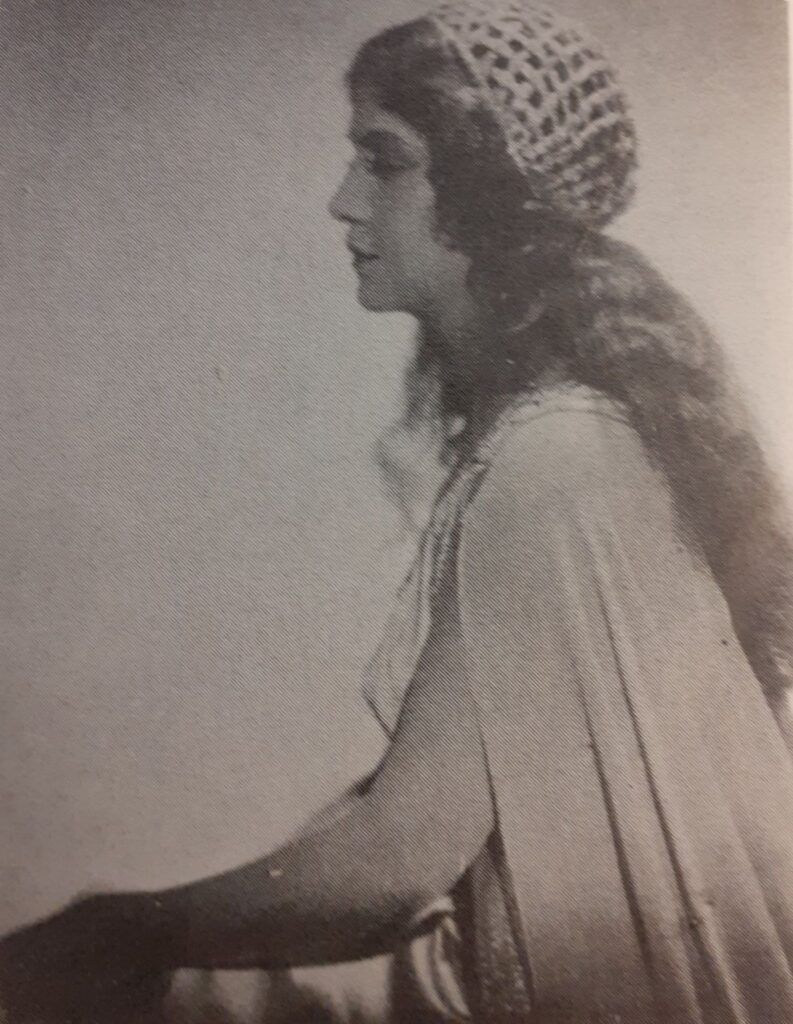
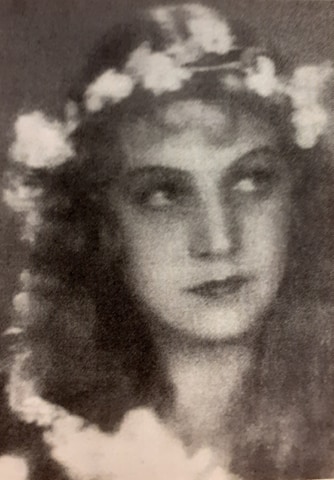
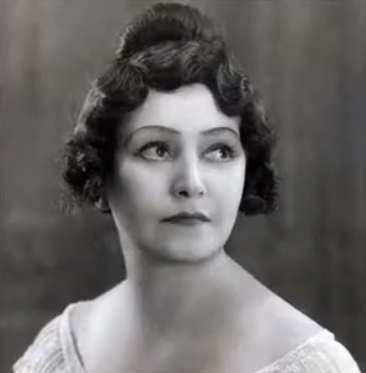
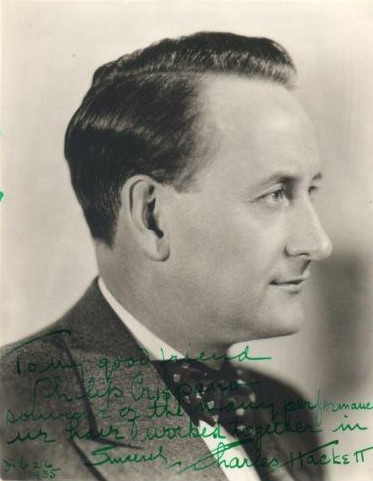
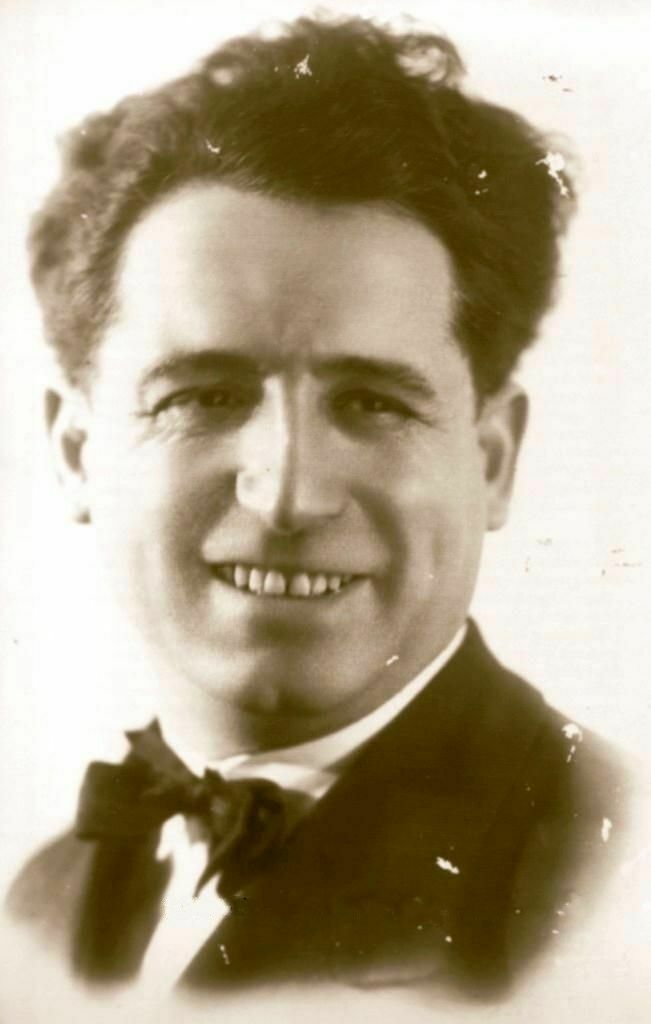
Today I revisit one of my favorite singers of all time, the extraordinary Norwegian lyric-coloratura soprano Eidé Noréna (1884-1968), whose voice and artistry hit me like a bolt out of the blue when I first discovered her recordings several decades ago. Born Karoline Hansen, she made her concert debut at the age of 19 and in 1907 began her operatic career as Amor in Orfeo ed Euridice. In 1909 she married the actor Egil Eide, through whose coaching she became celebrated for her dramatic portrayals. Under her married name Kaja Eide she became one of the Norway’s most famous singers, though her career was essentially a provincial one until, mid-career, she restudied her technique and rebuilt her voice, which led to her La Scala debut as Gilda under the baton of Arturo Toscanini (and under her new professional name, Eidé Noréna). She went on to an international career, performing in the world’s most celebrated opera houses, including the Metropolitan Opera, Covent Garden, the Salzburg Festival, and, particularly, the Paris Opéra. Her repertoire was a wide one, ranging from Ophélie to Desdemona, and her vocal technique was solid to the point of near-perfection, her legato singing being particularly remarkable. What sets her apart, and what makes her one of my favorite singers, is her profoundly musical interpretations allied to a keen dramatic sense, perhaps instilled in her by her husband. I originally introduced her to my listeners in Episode 71, and I think it’s high time we spend some more time with her. In this episode I feature her exclusively in the music of Charles Gounod, beginning with the charming song “Sérénade” set to a Victor Hugo text and continuing with the Roi de Thulé and Jewel Song from Faust, concluding with extended excerpts from Roméo et Juliette. We are lucky that there exists a live recording of a complete (albeit heavily cut) performance from January 1935 of Noréna as Juliette, with the American tenor Charles Hackett (1887-1942) as her Roméo. Excerpts of that recording are supplemented by studio recordings from 1929 of duets from the opera with the Corsican tenor Gaston Micheletti (1892-1959) as her Roméo.
RECORDINGS HEARD IN THIS EPISODE
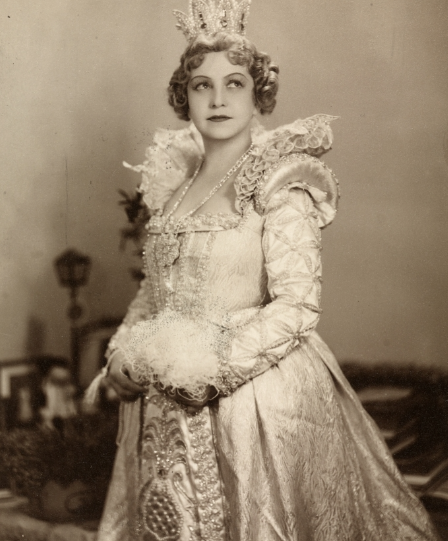
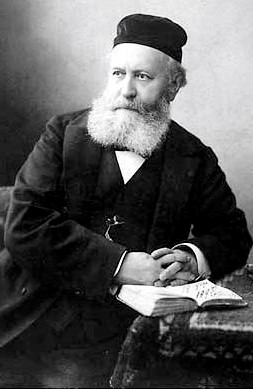
All selections are by Charles Gounod and feature soprano Eidé Noréna.
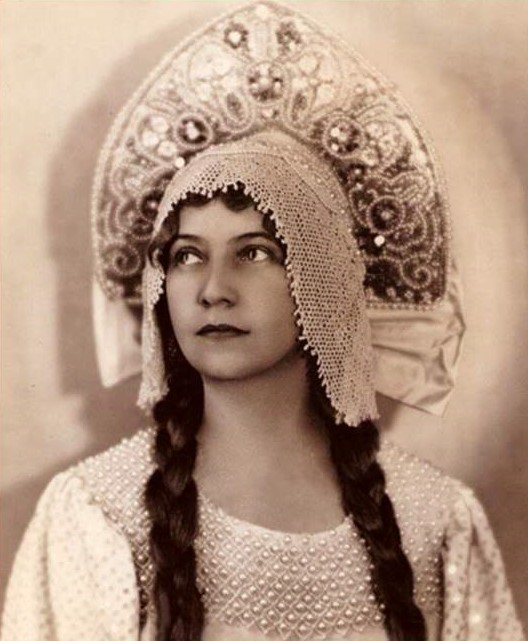
Victor Hugo: Sérénade. Orchestra conducted by Piero Coppola [1933]
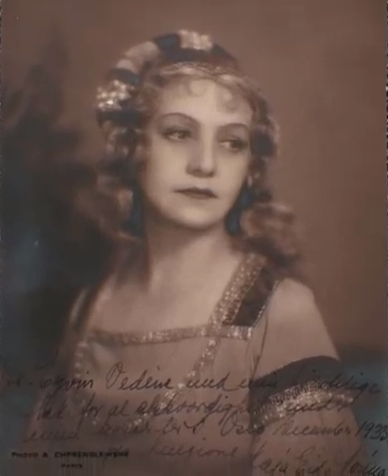
Jules Barbier, Michel Carré [after Johann Wolfgang von Goethe]: Il était un roi de Thulé… O Dieu! que de bijoux!… Ah, je ris de me voir si belle (Faust). Orchestra conducted by Piero Coppola [1933]
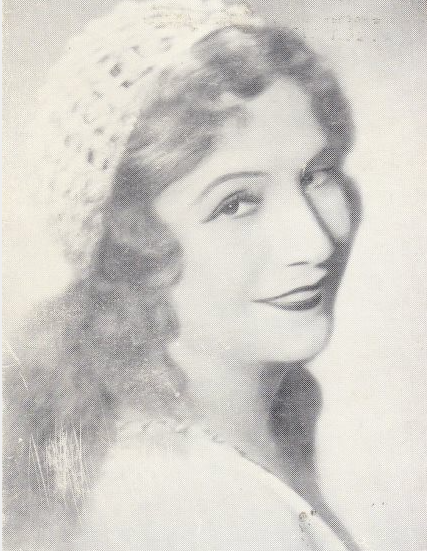
All remaining selections are from Gounod’s Roméo et Juliette, libretto by Jules Barbier, Michel Carré after William Shakespeare.
- Je veux vivre. Eidé Noréna. Composite performance: Orchestras conducted by Louis Hasselmans [live New York, 26.I.1935], Gustave Cloëz [1929], Piero Coppola [1933]
- Ange adorable [beginning]. Charles Hackett, Orchestra conducted by Louis Hasselmans [live New York, 26.I.1935]
- Ange adorable [conclusion]. Gaston Micheletti, Orchestra conducted by Gustave Cloëz [1929]
- Ô nuit divine! Je t’implore. Charles Hackett, Orchestra conducted by Louis Hasselmans [live New York, 26.I.1935]
- On m’appelle… Ah, ne fuis pas encore. Gaston Micheletti, Orchestra conducted by Gustave Cloëz [1929]
- Adieu mille fois… Ah, repose en paix. Charles Hackett, Orchestra conducted by Louis Hasselmans [live New York, 26.I.1935]
- Va! je t’ai pardonné. Gaston Micheletti, Orchestra conducted by Gustave Cloëz [1929]
- Il faut partir, hélas! Charles Hackett, Orchestra conducted by Louis Hasselmans [live New York, 26.I.1935]
- Salut, tombeau! [Final Scene]. Charles Hackett, Orchestra conducted by Louis Hasselmans [live New York, 26.I.1935]