Episode 474. Brigitte Fassbaender Sings Brahms
SOCIAL SHARE
SUBSCRIPTION PLATFORM
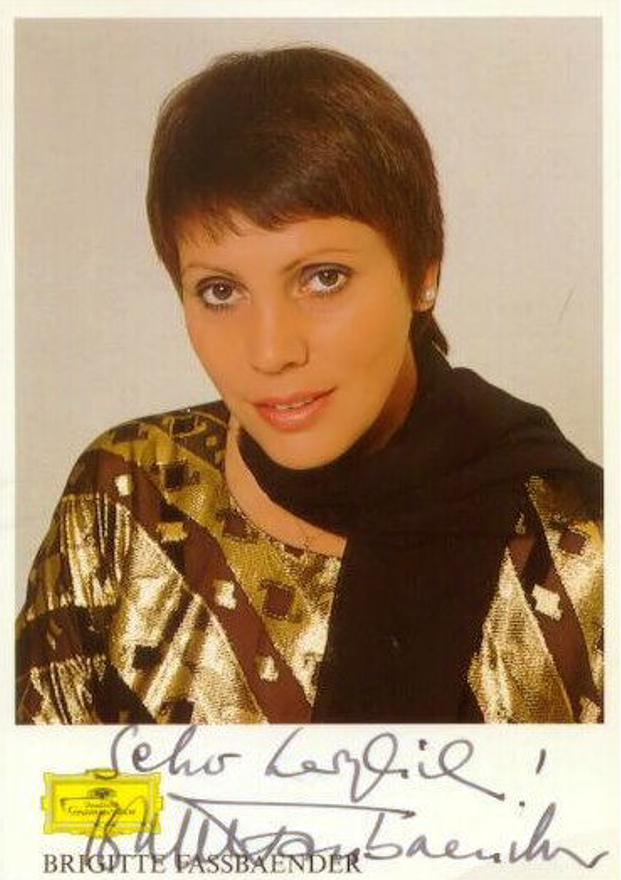
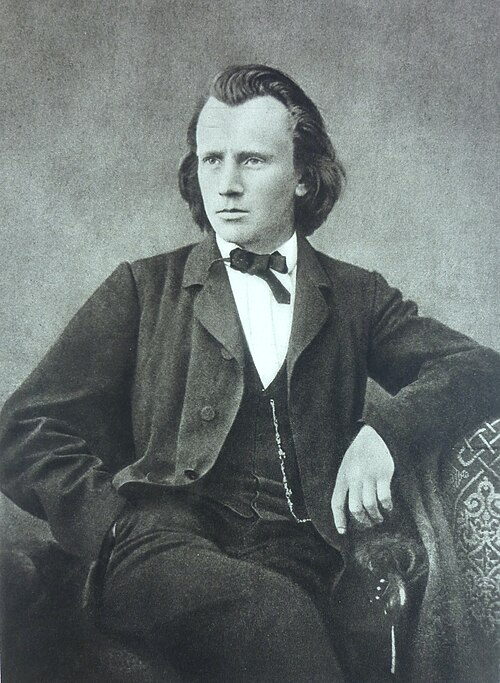
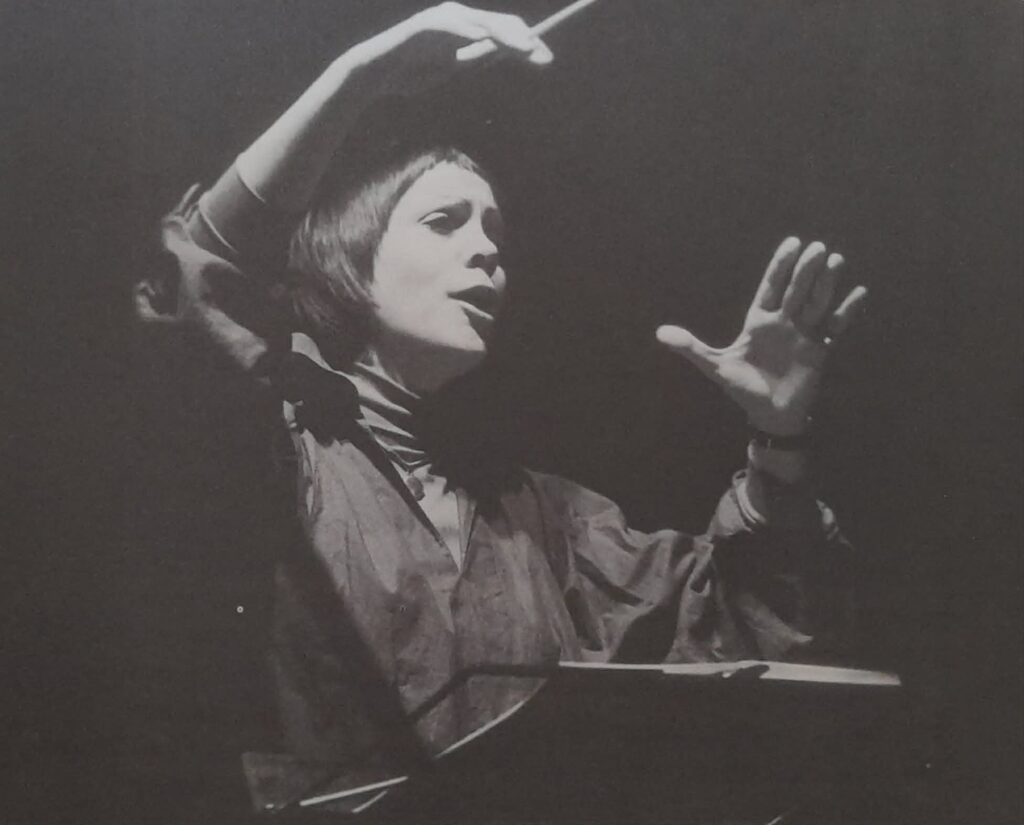
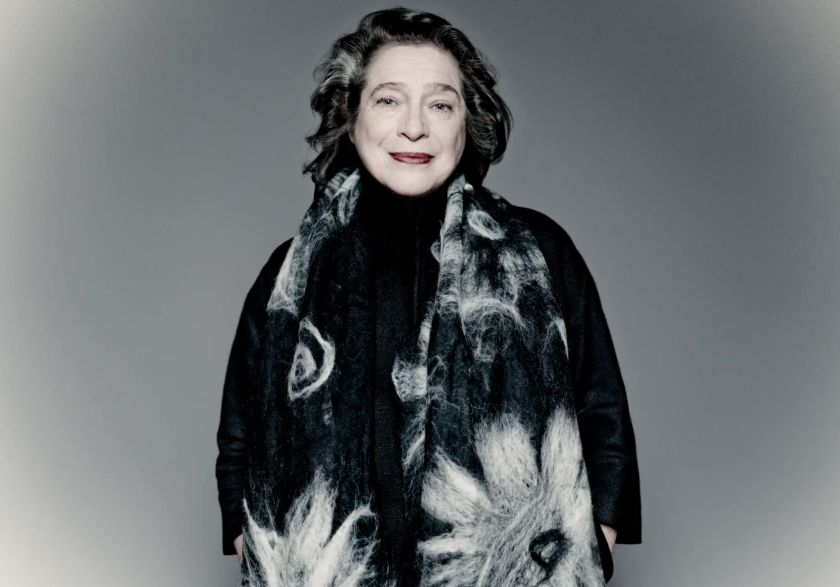
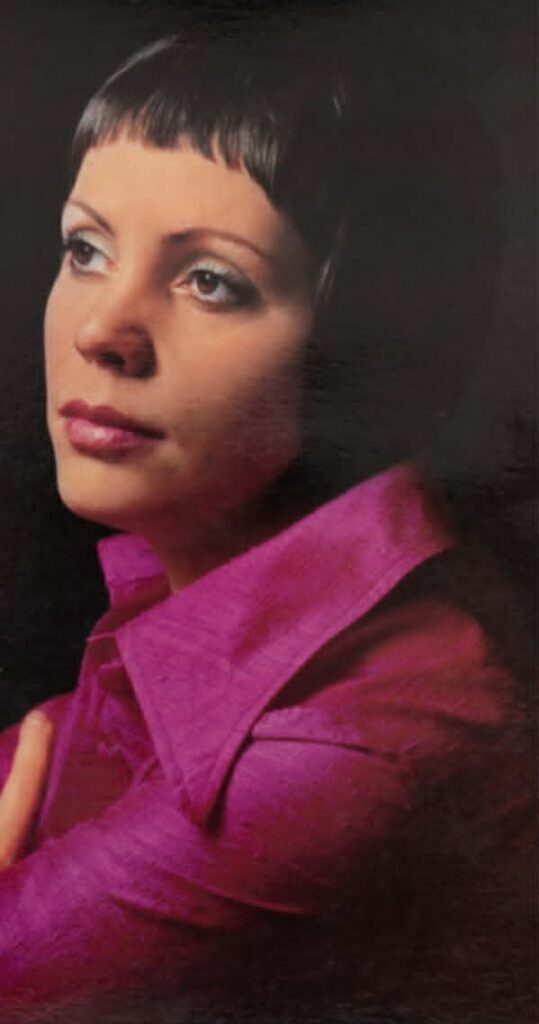
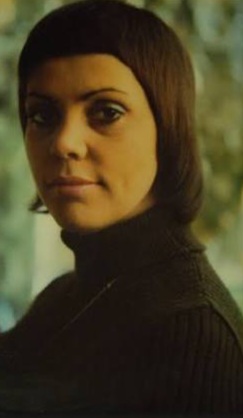
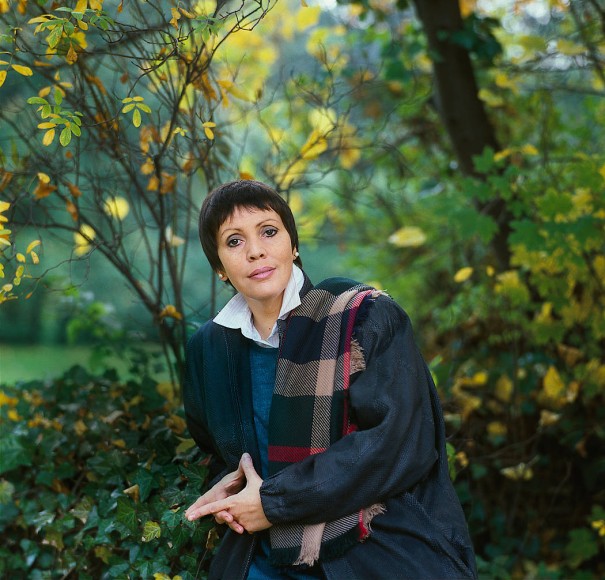
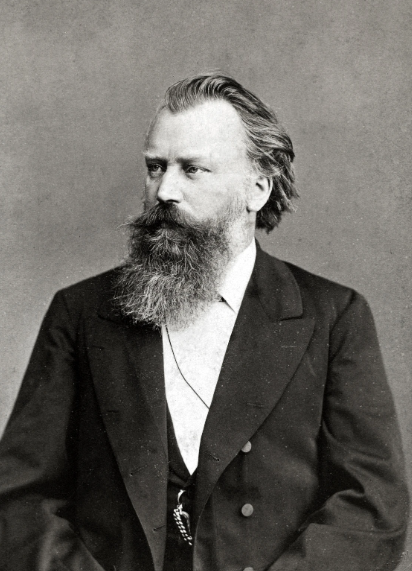
Pride 2026 at Countermelody continues with an episode devoted to the towering German mezzo-soprano Brigitte Fassbaender, not only one of the great opera stars of the late twentieth century (her Octavian, for instance, was, is, and remains, hors concours), but also one of the greatest Lieder singers of all time. Today I choose to focus on her performance of the songs of Johannes Brahms, whose music is ideally suited to her dark-timbred, urgently projected voice and artistry. She’s heard in these selections with four of the primary pianists with whom she collaborated and recorded in the songs of Brahms: Erik Werba, Irwin Gage, Karl Engel, and the great Georgian pianist Elisabeth Leonskaja, with whom she made her final recordings in the early 1990s, just before her sudden departure from the opera and concert stage. Fassbaender has always lived her life openly and matter-of-factly, never foregrounding her sexuality while also never denying or hiding it. For her, music and the theater have always been the focal points in her public life, and her unique artistry has placed her at the forefront of the great musical artists of our time. There are few vocal artists I esteem as highly.
RECORDINGS HEARD IN THIS EPISODE
All tracks composed by Johannes Brahms and sung by mezzo-soprano Brigitte Fassbaender. Poets, pianists, and other collaborators as listed.
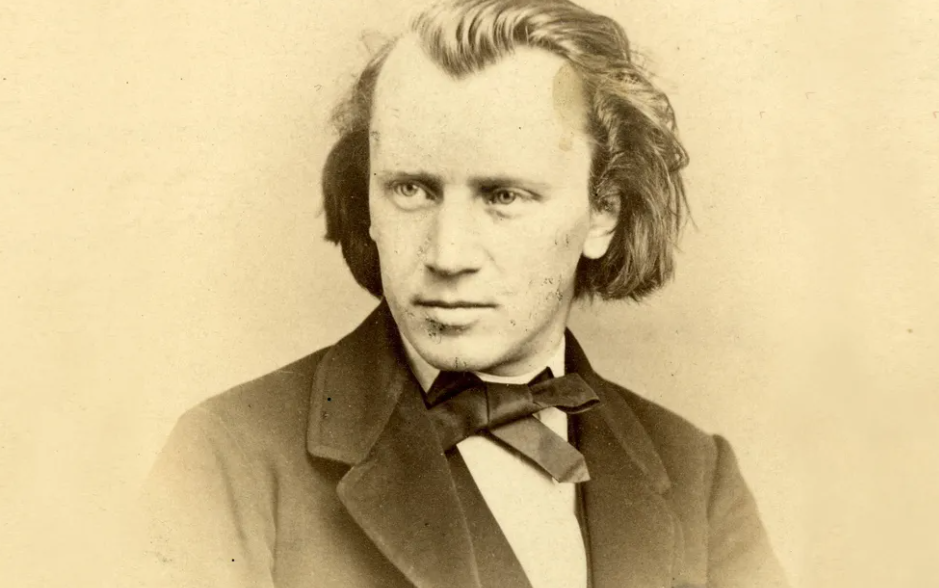
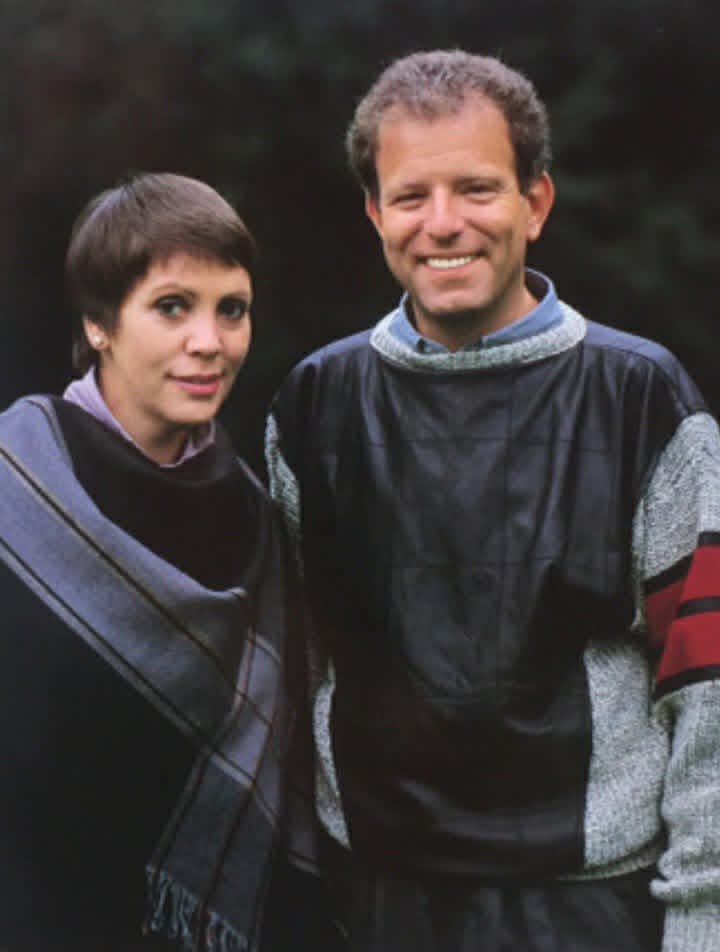
Adolf Frey: Meine Lieder, Op. 106/4. Irwin Gage [1982]
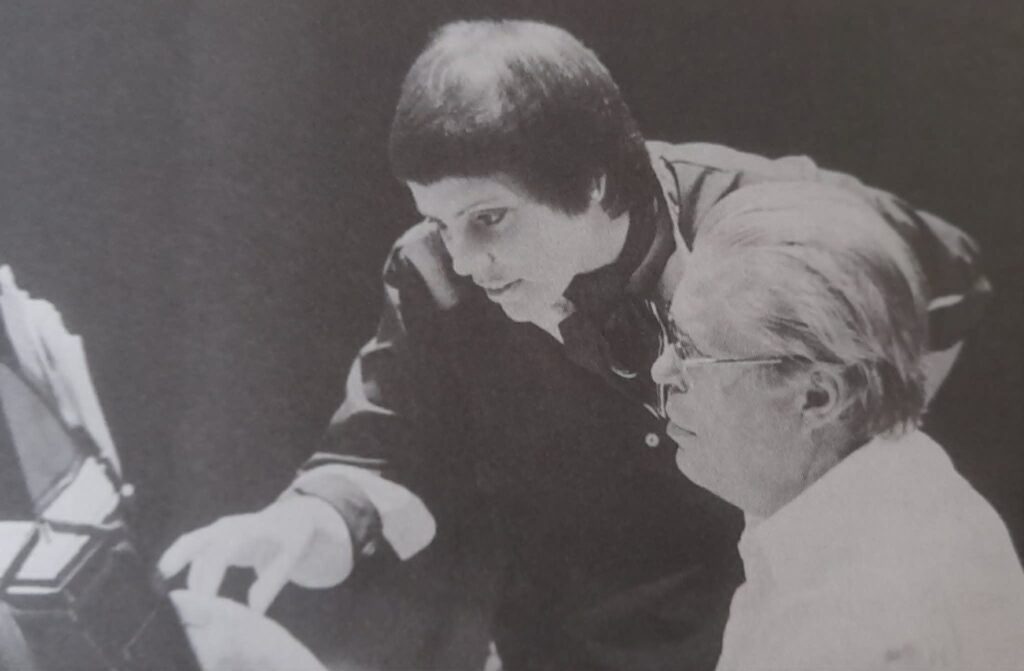
Gottfried Keller: Therese, Op. 86/1. Erik Werba [1976]
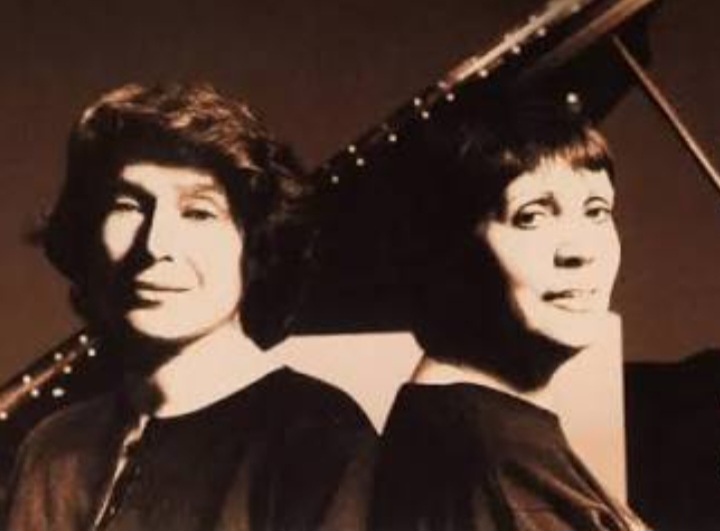
Traditional German: Vergebliches Ständchen, Op. 84/4. Elisabeth Leonskaja [1992]
Traditional German: In stiller nacht (Deutsche Volkslieder, WoO. 33/42). verse 1: Erik Werba [1976]; both verses: Irwin Gage [1982]
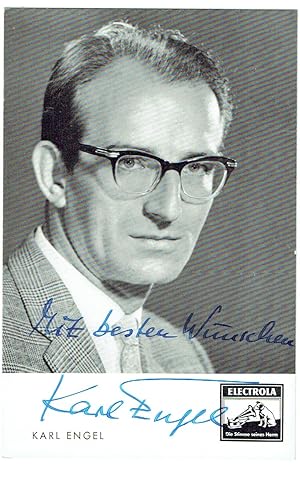
Traditional Hungarian text adapted by Hugo Conrat [né Hugo Cohn]: Hochgetürmte Rimaflut (Zigeunerlieder, Op. 103/2). Karl Engel [1973]
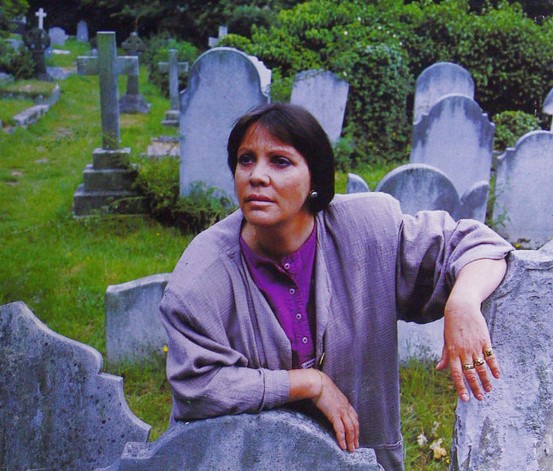
Martin Luther [translation of 1 Corinthians, 13]: Wenn ich mit Menschen- und mit Engelszungen redete (Vier ernste Gesänge, Op. 121/4). Wolfram Rieger [live Prague 29.V.1991]

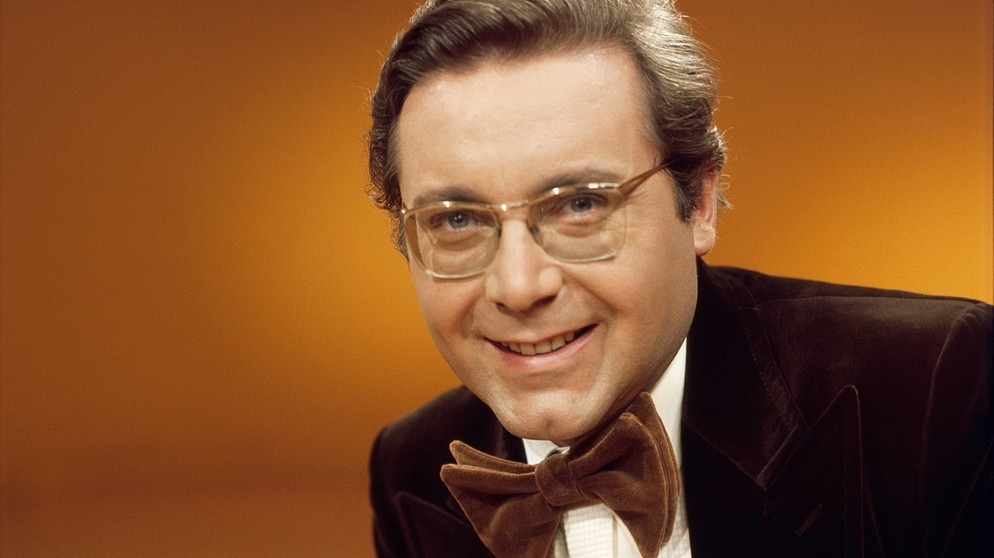
Anonymous Scots Ballad, translated and adapted Johann Gottfried Herder: Edward, Op. 75/1. Brigitte Fassbaender, Peter Schreier, Karl Engel [1983]
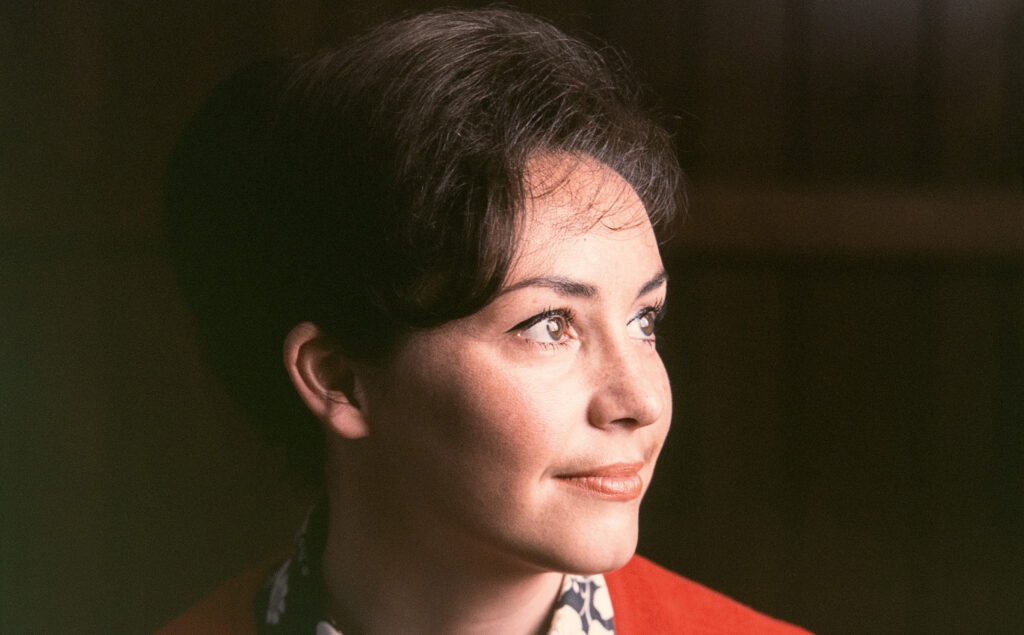
Wilhelm Häring: Walpurgisnacht, Op. 75/4. Edith Mathis, Karl Engel [1983]
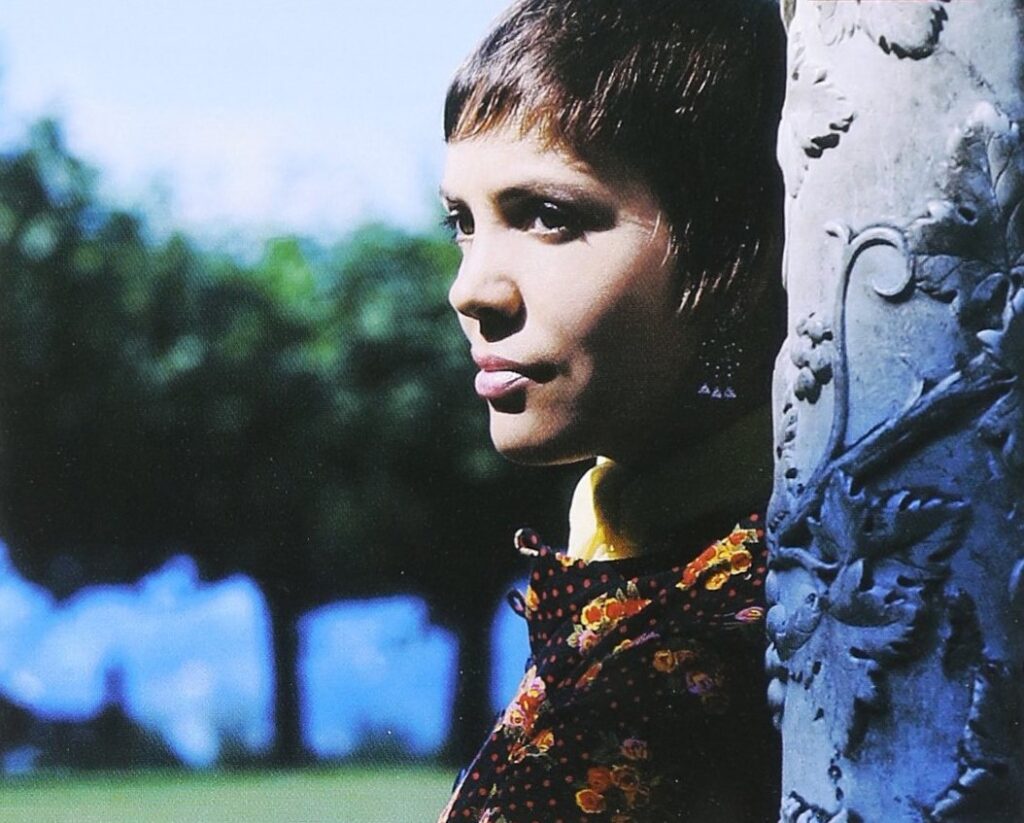
Klaus Groth: O wüßt ich doch den Weg zurück [Heimweh II], Op. 63/8. Erik Werba [1976]
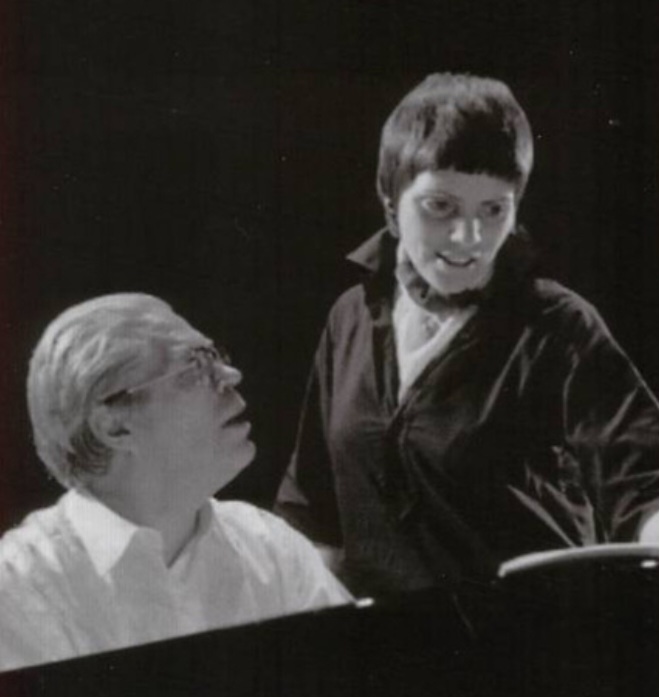
Theodor Storm: Über die Heide, Op. 86/4. Erik Werba [1976]
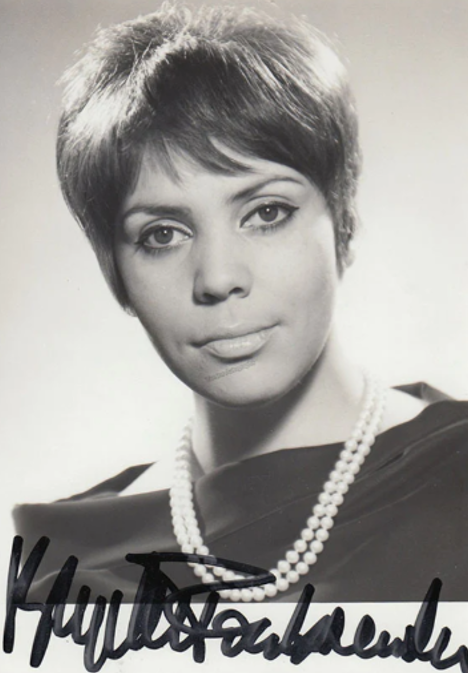
Heinrich Heine: Der Tod, das ist die kühle Nacht, Op. 96/1. Erik Werba [1976]
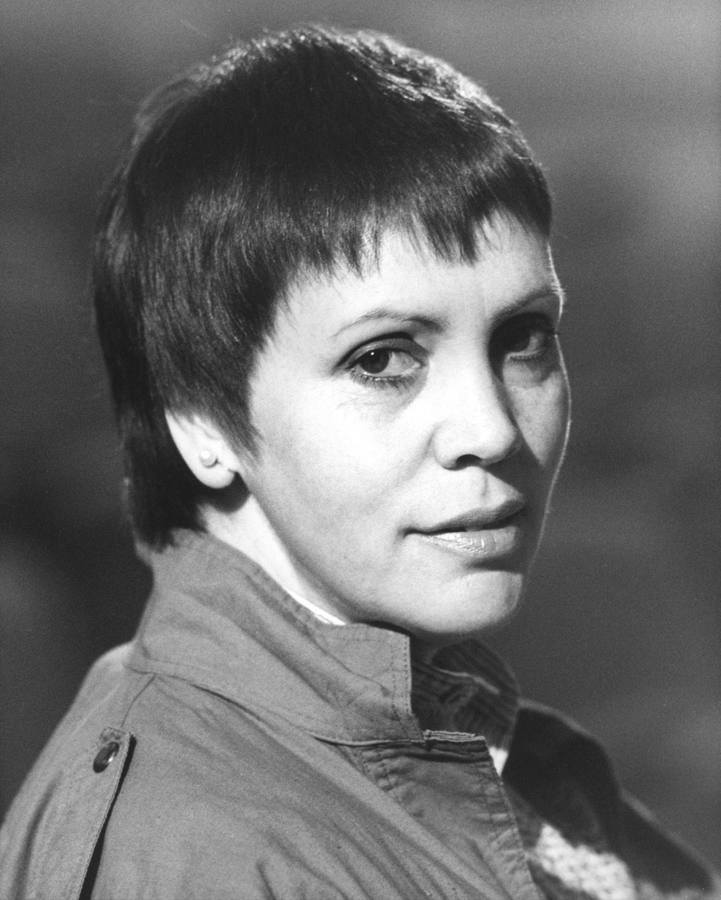
Friedrich Rückert: Gestillte Sehnsucht, Op. 91/1. Thomas Riebl, Irwin Gage [1982]
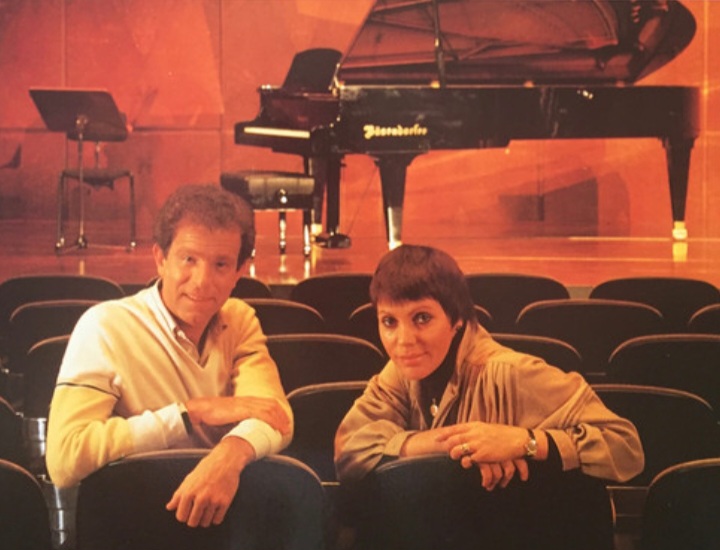
Clemens Brentano: O kühler Wald, Op. 72/3. Irwin Gage [1982]
Karl von Lemcke: Verzagen, Op. 72/4. Irwin Gage [1982]

August von Platen: Wehe, so willst du mich wieder, Op. 32/5. Irwin Gage [1982]

Klaus Groth: Dein blaues Auge, Op. 59/8. Elisabeth Leonskaja [1992]
Klaus Groth: Komm bald, Op. 97/4. Elisabeth Leonskaja [1992]
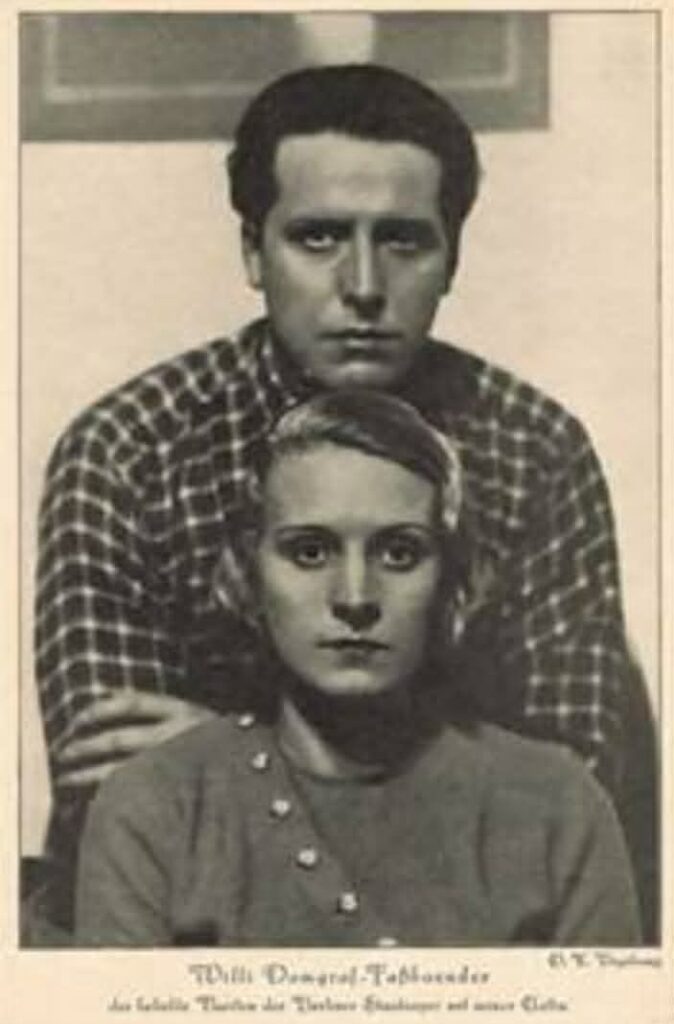
Brigitte Fassbaender’s parents, Sabine Peters and Willi Domgraf-Fassbaender

Christian Reinhold: Nachtigall, Op. 97/1. Elisabeth Leonskaja [1992]
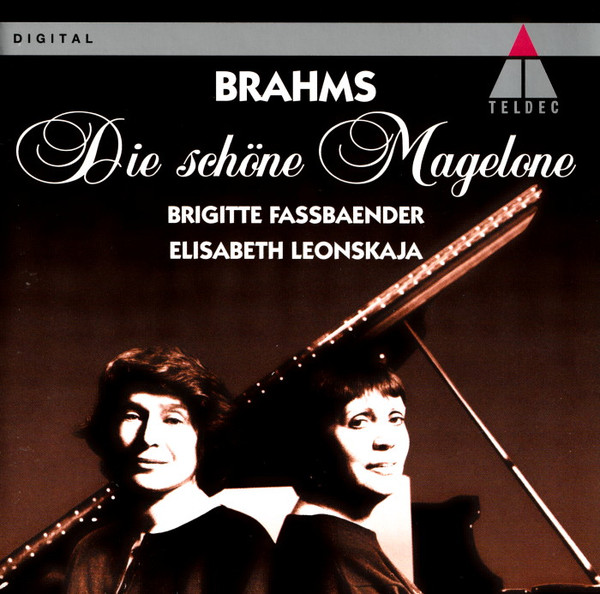
Ludwig Tieck: Der Sultan hatte eine Tochter… Sulima. Geliebter, wo zaudert… Peter erschrak am Herzen… Wie froh und frisch (Die schöne Magelone, Op. 33/13,14). Brigitte Fassbaender, Elisabeth Leonskaja [1993]
Karl August Candidus: Alte Liebe, Op. 72/1. Elisabeth Leonskaja [1992]
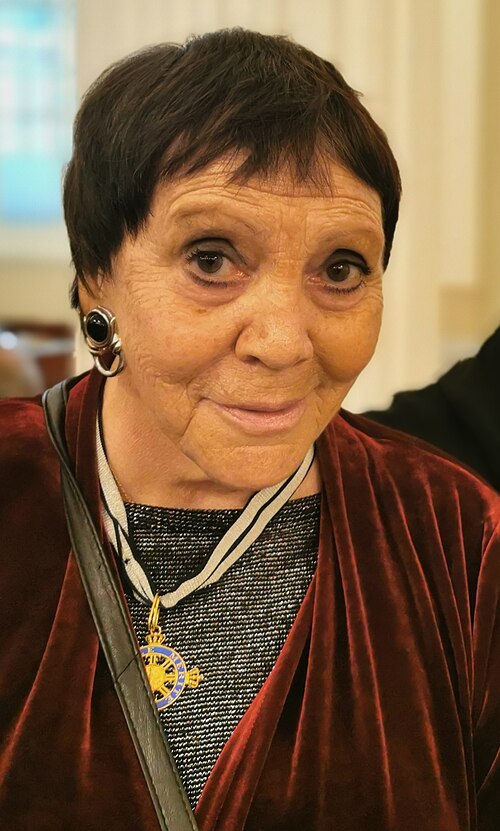
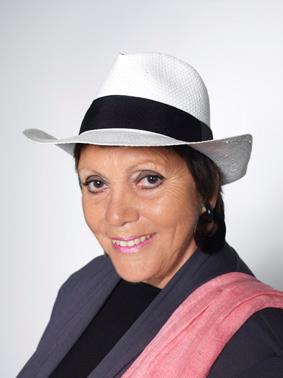
Brigitte Fassbaender (2025)