Episode 471. Joan Caplan In Recital
SOCIAL SHARE
SUBSCRIPTION PLATFORM
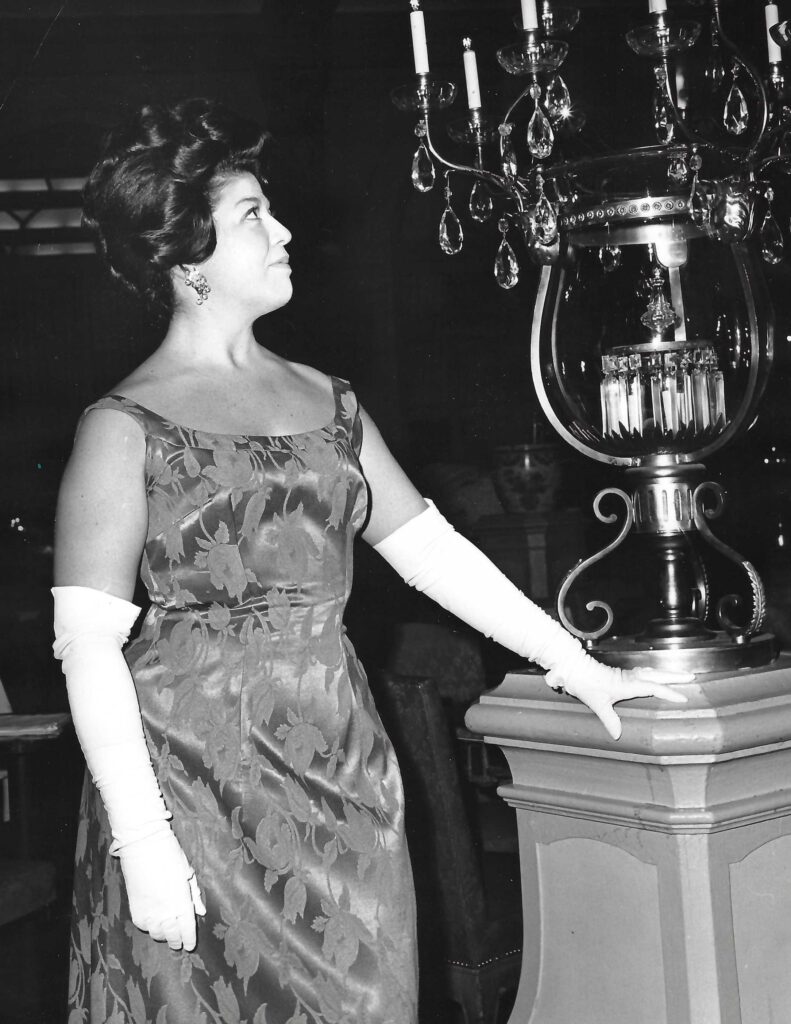
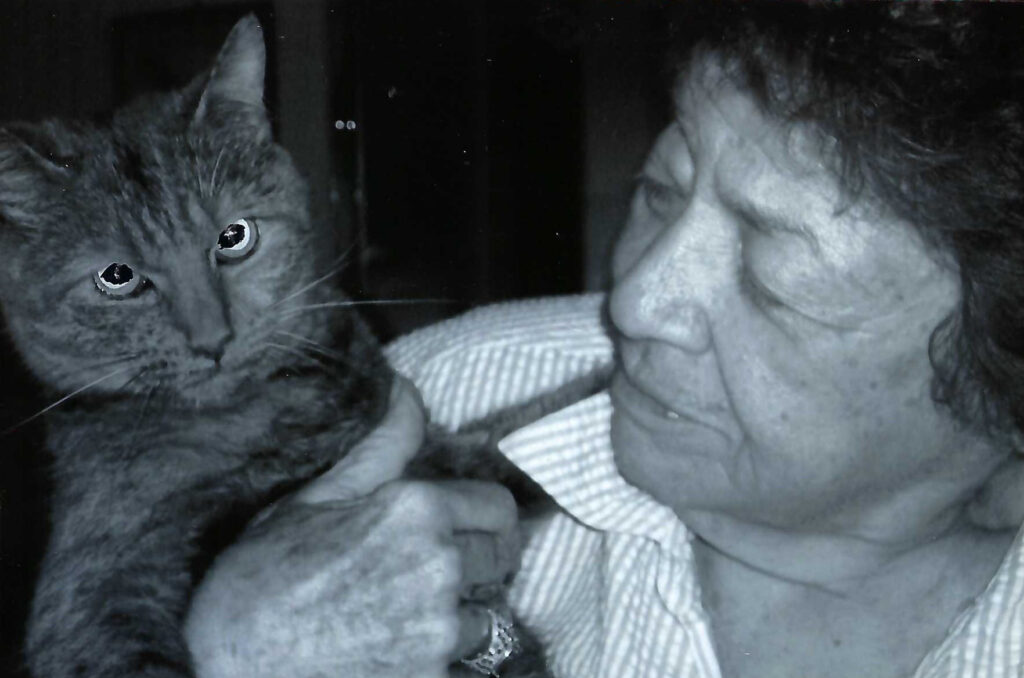
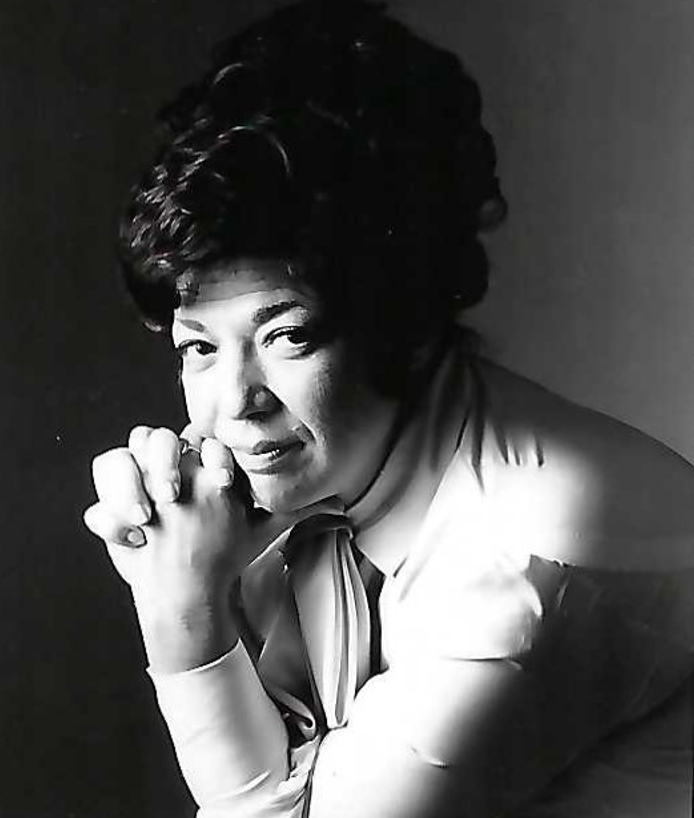
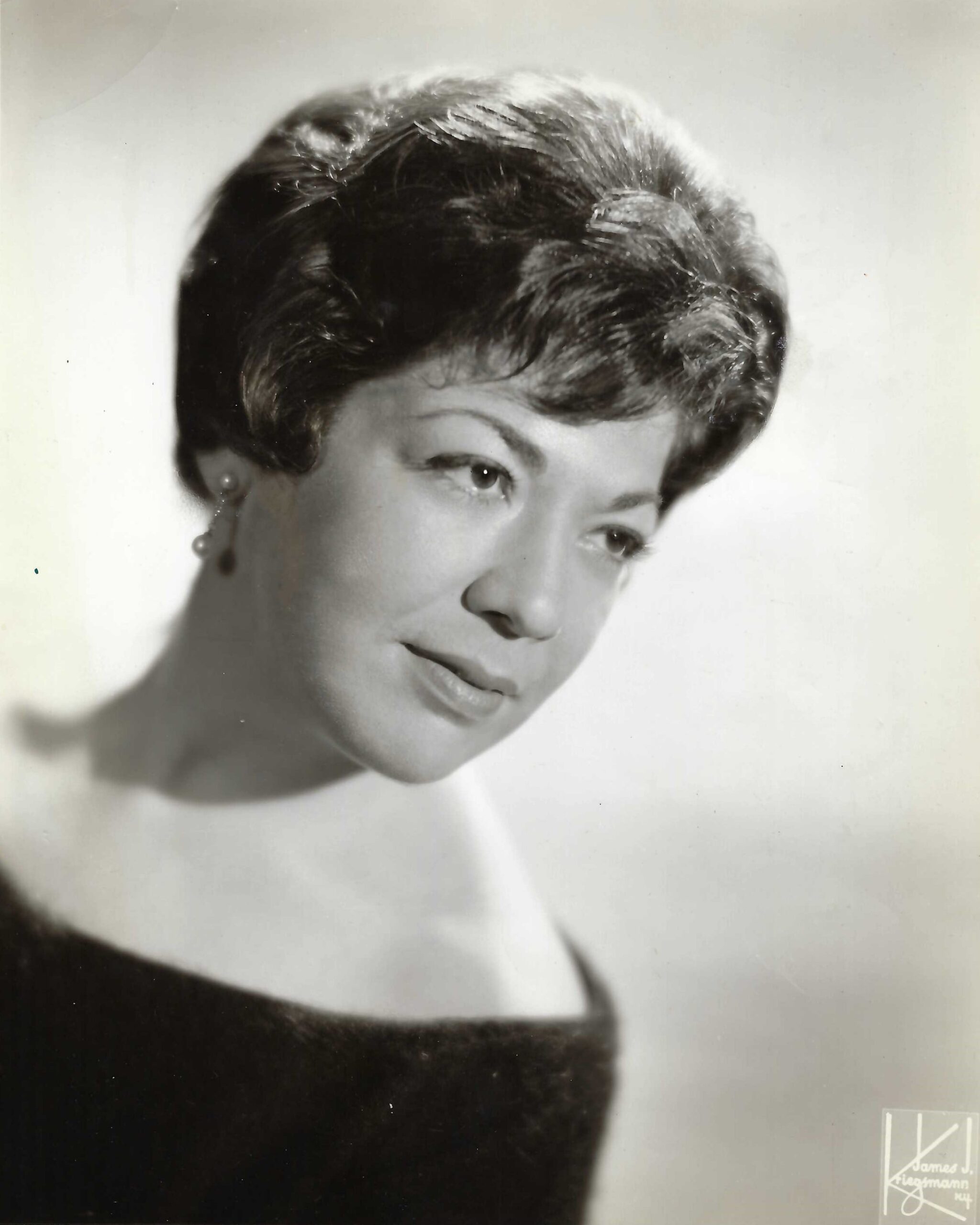
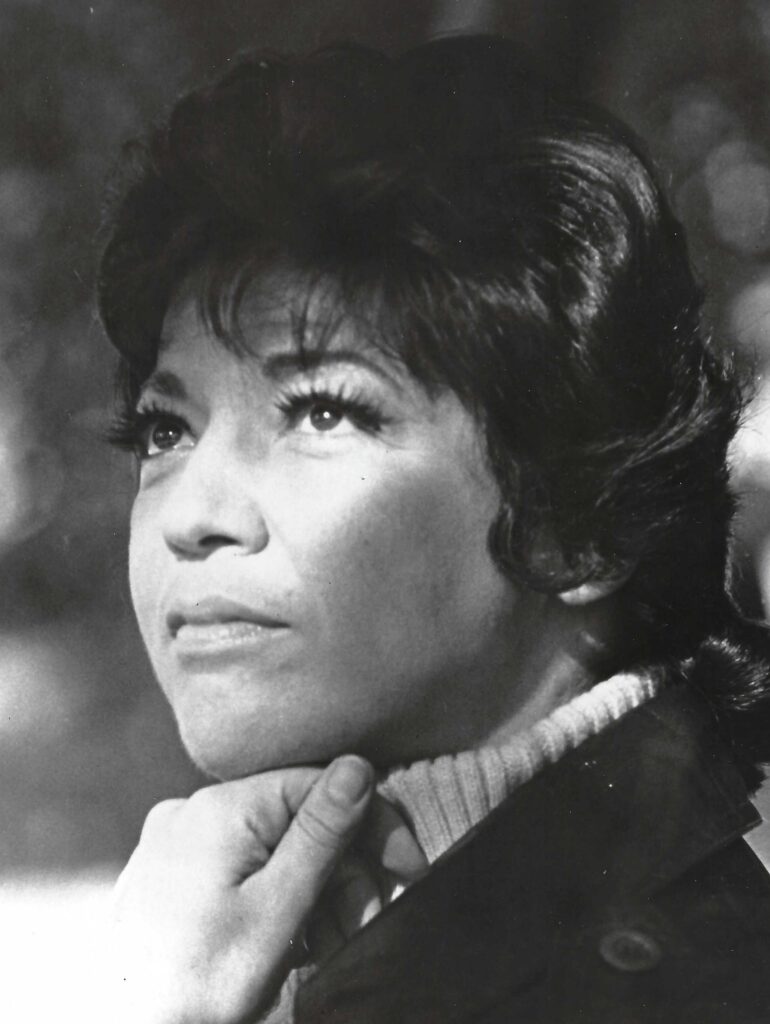
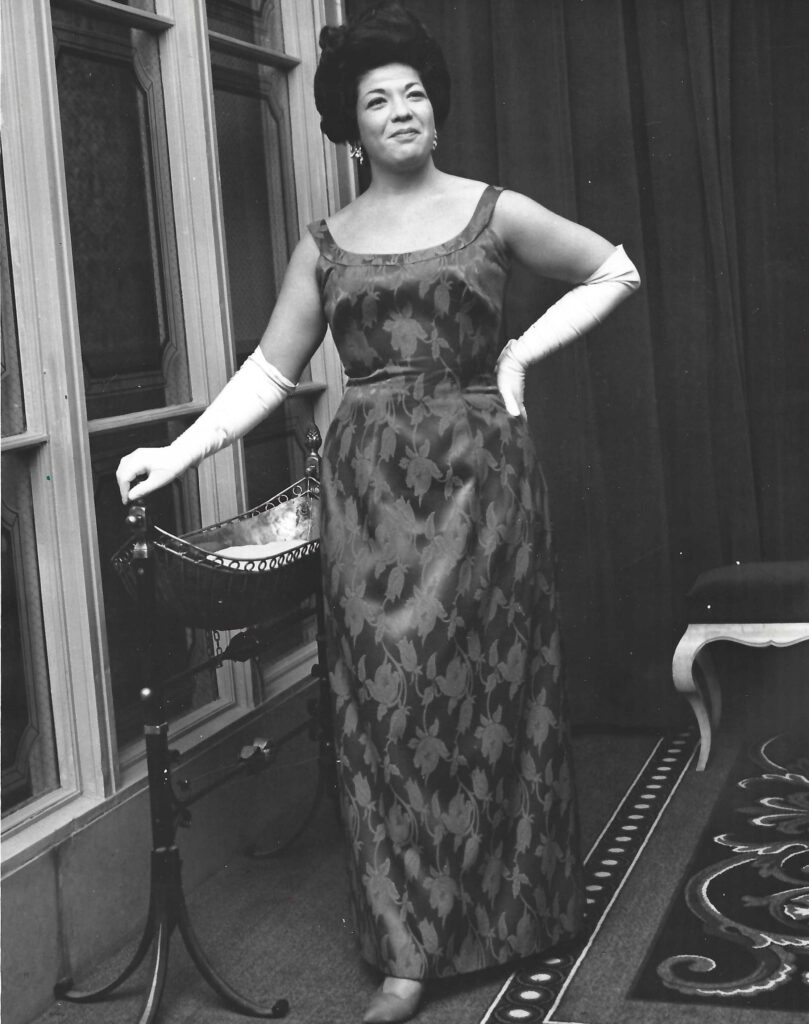
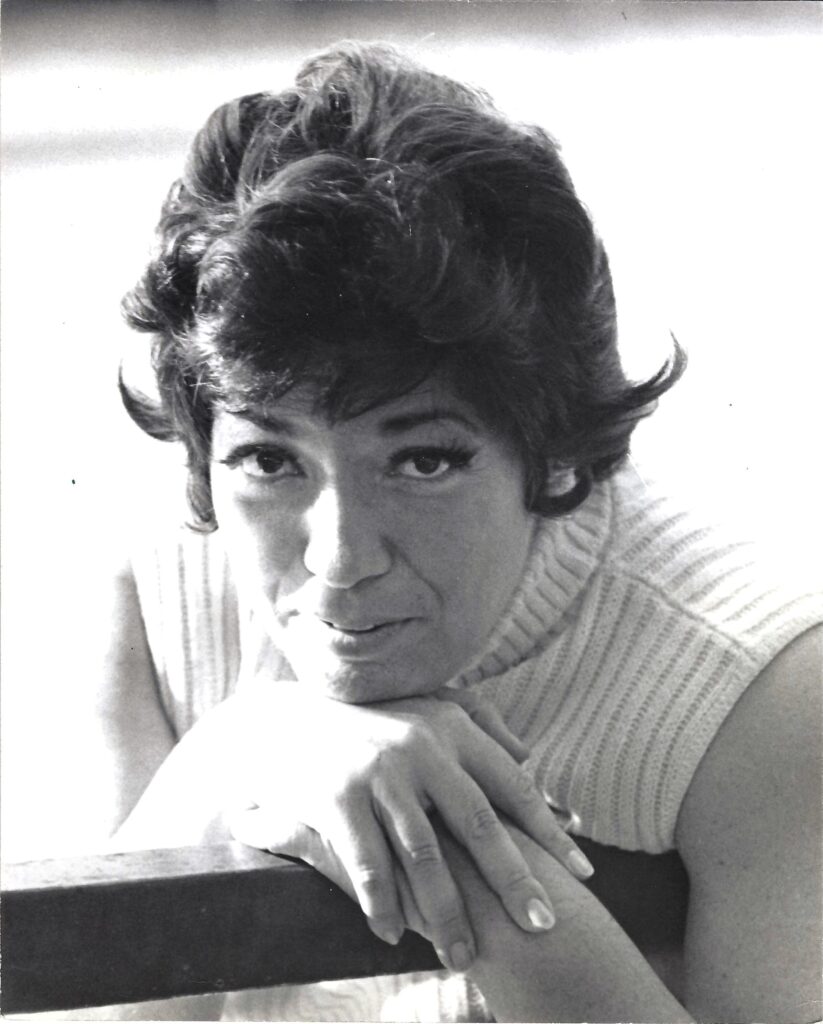
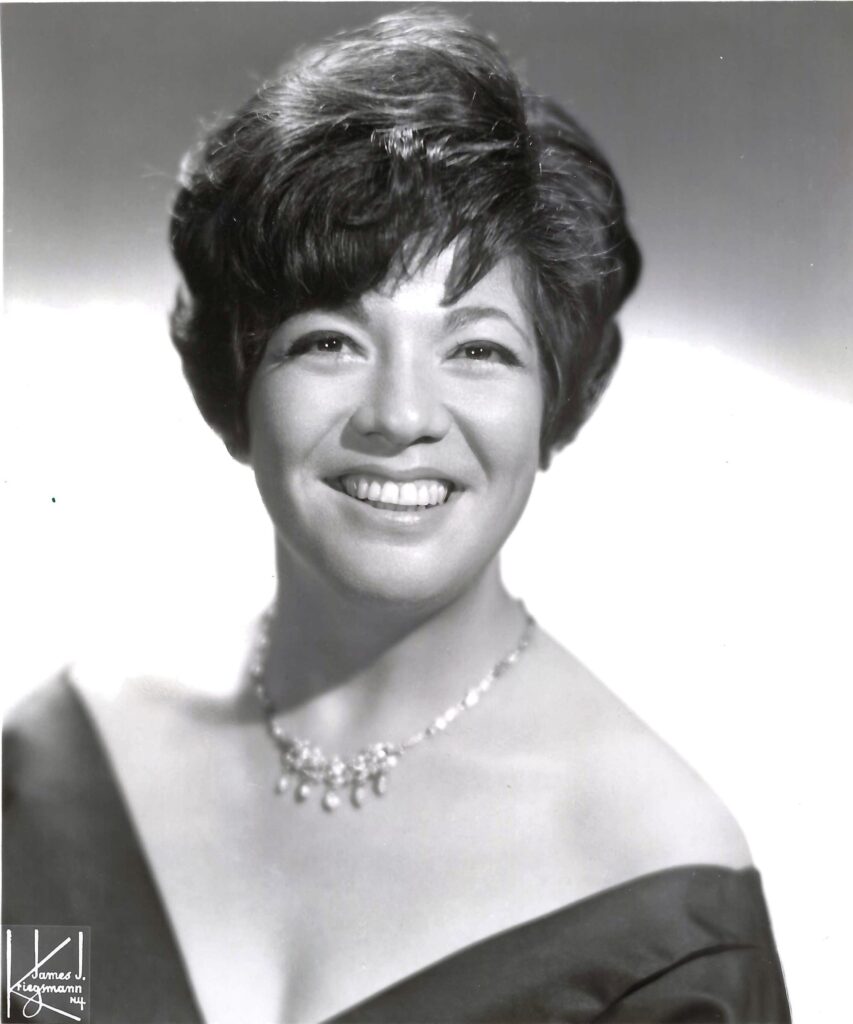
Today we revisit the rare recorded output of my beloved teacher Joan Caplan (15 October 1932 – 19 April 2025) through live performances made during her active years as a song recitalist and as an opera and oratorio singer. We hear her complete performances of Thirteen Ways of Looking at a Blackbird by Peggy Glanville-Hicks, the Cinco canciones negras by Xavier Montsalvatge, and the Zigeunerlieder of Johannes Brahms, as well as songs by Gustav Mahler from the German folk poetry collection Des Knaben Wunderhorn and arias by Handel, Vivaldi, Hasse, and Donizetti. This episode constitutes the continuation of a promise that I made to Joan before she died that I would do my utmost to ensure that she never be forgotten for the great teacher and singer that she was. The episode also includes a memorial tribute full of insights and anecdotes that I recorded in her memory last year.
RECORDINGS HEARD IN THIS EPISODE
Gaetano Donizetti, Felice Romani [after Victor Hugo]: Il segreto per esser felici (Lucrezia Borgia)
Gustav Mahler, folk text from Des Knaben Wunderhorn, collected and adapted by Clemens Brentano, Achim von Arnim: Nicht wiedersehen! (Lieder und Gesänge aus der Jugendzeit)
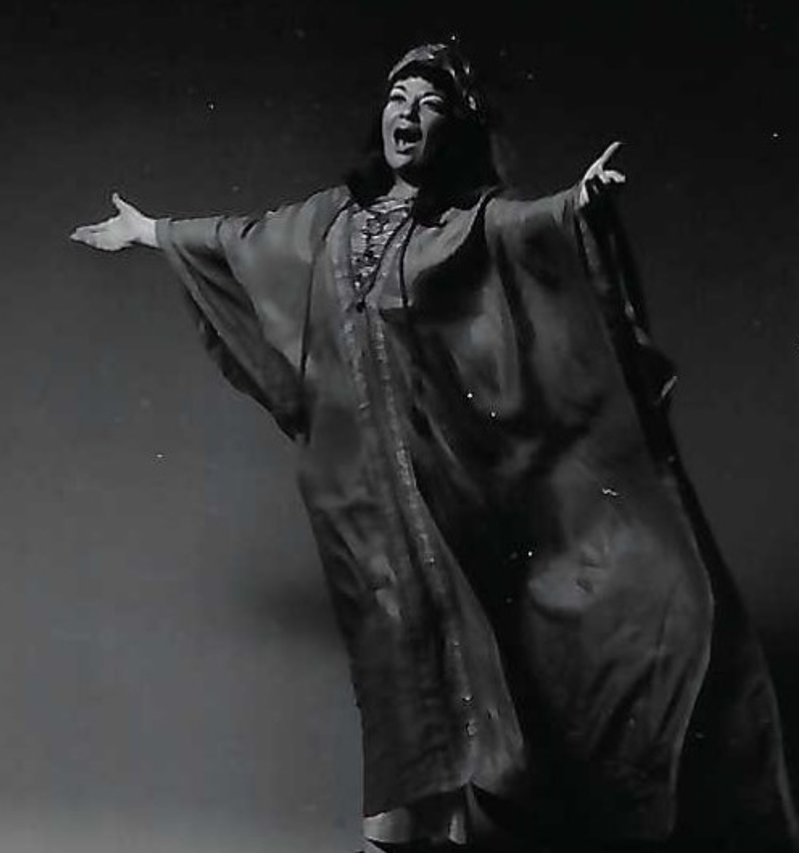
Johann Adolf Hasse: Superbo da me stesso (L’Olimpiade). Joan Caplan, Newell Jenkins, Clarion Concerts Orchestra [live New York 16 March 1971]
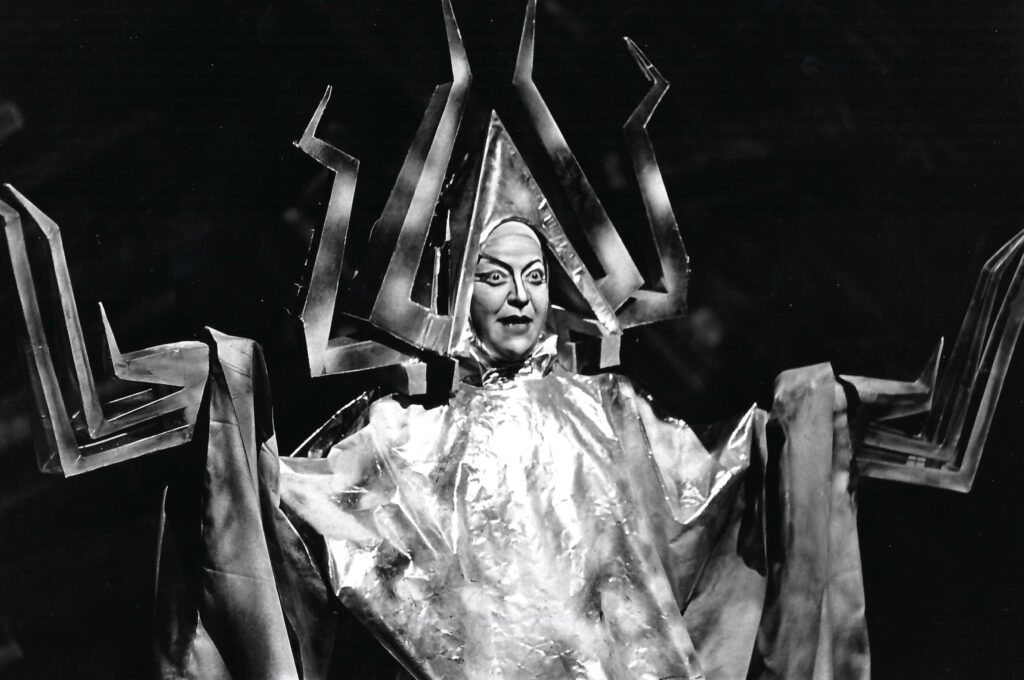
Gustav Mahler, folk text from Des Knaben Wunderhorn, collected and adapted by Clemens Brentano, Achim von Arnim: Selbstgefühl (Lieder und Gesänge aus der Jugendzeit)
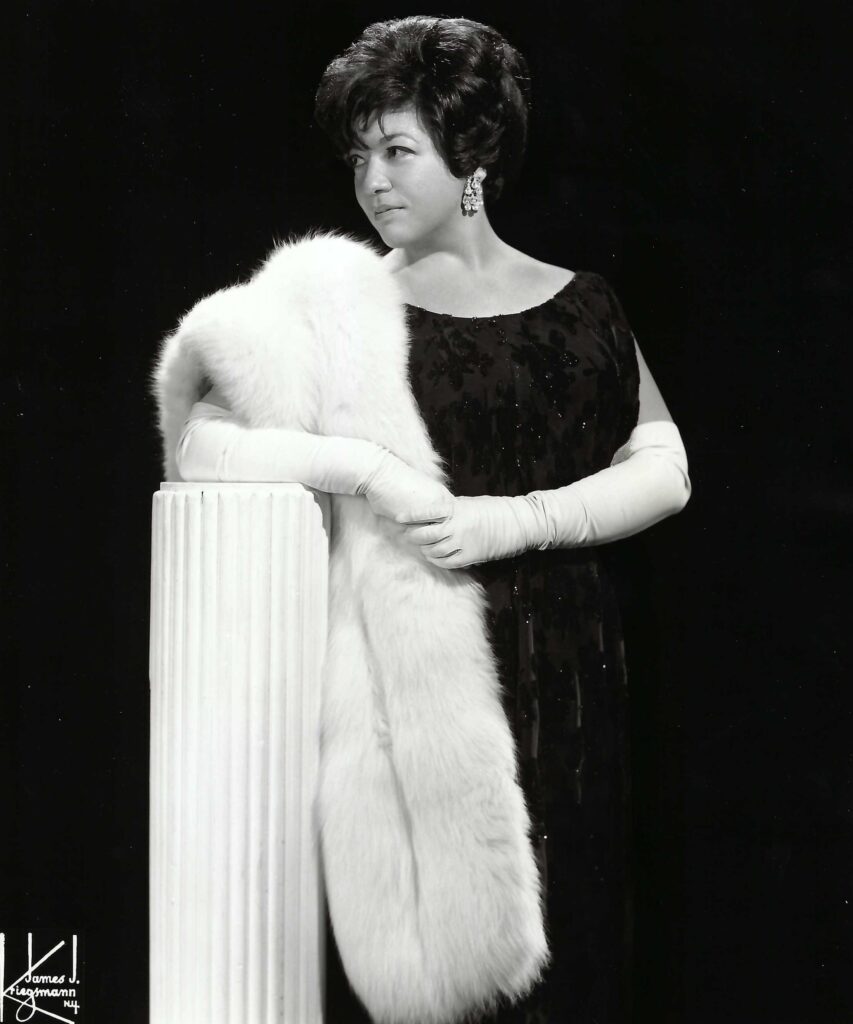
Antonio Vivaldi: Qui sedes ad dexteram patris (Gloria in D Major, RV 589)
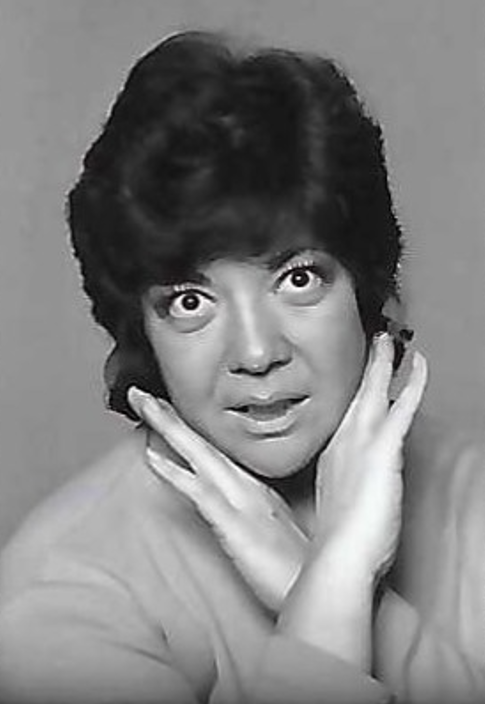

Gustav Mahler, folk text from Des Knaben Wunderhorn, collected and adapted by Clemens Brentano, Achim von Arnim:
- Rheinlegendchen (Des Knaben Wunderhorn)
- Starke Einbildungskraft (Lieder und Gesänge aus der Jugendzeit)
- Das irdische Leben (Des Knaben Wunderhorn)
George Frideric Handel, Thomas Morell: from Jephtha.
- First perish thou… Let other creatures die?
- Scenes of horror, scenes of woe
George Frideric Handel, anonymous libretto after Ludovico Ariosti: from Alcina.
- È gelosia
- Verdi prati
Johannes Brahms, Traditional Hungarian text adapted by Hugo Conrat [né Hugo Cohn]: Zigeunerlieder, Op. 103.
- I. He, Zigeuner, greife in die Saiten ein
- II. Hochgetürmte Rimaflut
- III. Wißt ihr, wann mein Kindlein
- IV. Lieber Gott, du weißt
- V. Brauner Bursche führt zum Tanze
- VI. Röslein dreie in der Reihe
- VII. Kommt dir manchmal in den Sinn
- VIII. Rote Abendwolken ziehn am Firmament
Peggy Glanville-Hicks, Wallace Stevens: Thirteen Ways of Looking at a Blackbird.
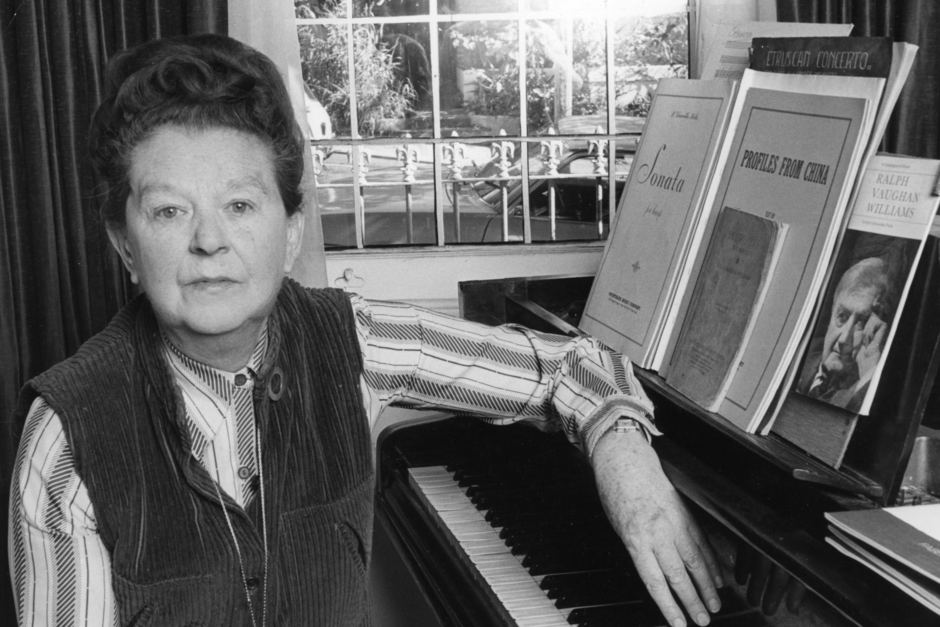
Peggy Glanville-Hicks
- I. Among twenty snowy mountains
- II. I was of three minds
- III. The blackbird whirled in the autumn winds
- IV. A man and a woman
- V. I do not know which to prefer
- VI. Icicles filled the long window
- VII. O thin men of Haddam
- VIII. I know noble accents
- IX. When the blackbird flew out of sight
- X. At the sight of blackbirds
- XI. He rode over Connecticut
- XII. The river is moving
- XIII. It was evening all afternoon
Xavier Montsalvatge. poets as noted below: Cinco canciones negras.
- I. Cuba dentro de un piano (poem by Rafael Alberti)
- II. Punto de Habañera (poem by Néstor Luján)
- III.Chévere (poem by Nicolás Guillén)
- IV. Canción de cuna para dormir un negrito (poem by Ildefonso Pereda Valdés)
- V. Canto negro (poem by Nicolás Guillén)