
Episode 496. Martina Rarissima (Arroyo in Memoriam)
SOCIAL SHARE
SUBSCRIPTION PLATFORM
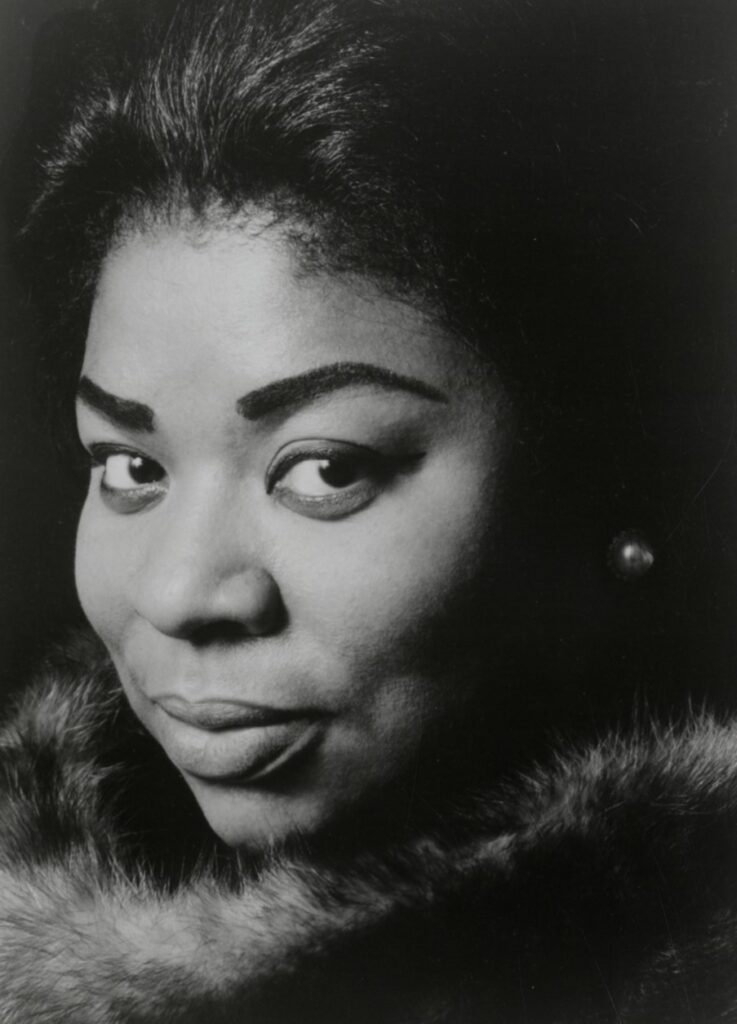
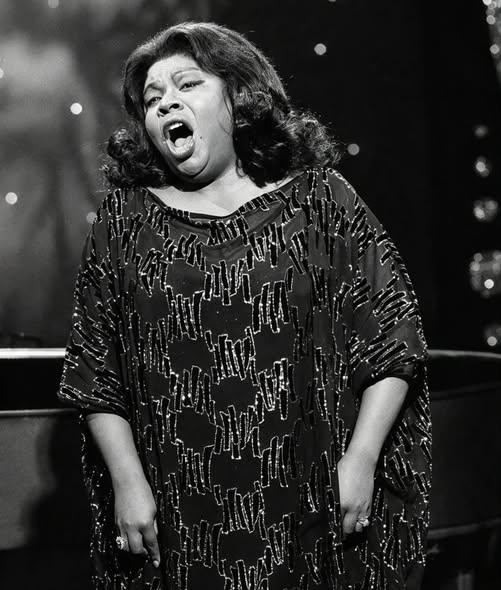
African American soprano Martina Arroyo died on October 13 at the age of 90. Tributes have been rolling in from all corners, perhaps especially because Martina Arroyo was a 2013 Kennedy Center Honoree when that still meant something. As such, she is one of an increasingly shrinking proportion of classical musicians who has been thus celebrated. Indeed, if there was ever a universally-admired and -beloved singer in the operatic firmament, it would be Ms. Arroyo. My original intention for this episode was to present her in recordings of art song, but as I compiled repertoire for this week’s tribute, I kept stumbling upon recordings of unexpected operatic and concert repertoire that revealed the soprano’s many virtues in surprising ways. Indeed, some of these recordings are so rare that I doubt that very few of my listeners have ever heard them before: Martina Arroyo singing “Leise, leise”? Or a different live performance of Samuel Barber’s Andromache’s Farewell, which she created during Lincoln Center’s inaugural season? Or a studio recording of “Elsas Traum”? Or, astonishingly and refulgently, even the Poulenc Gloria? I have combined these items with excerpts from recordings almost as uncommon: “Depuis le jour and the “Canzone di Doretta” from a live Concertgebouw concert in 1967; a 1977 Munich concert performance of Meyerbeer’s L’Africaine; a Swedish television Porgy and Bess from 1960; a live 1970 Vespri with Gianfranco Cecchele and Thomas Schippers; and an album of spirituals recorded in 1991, Arroyo’s last studio recording. None of these selections has been heard on any of my previous Martina episodes, and all of them reveal her creamy, delicious tone, impeccable technique, and profoundly satisfying musicianship. I hope that this episode helps expand upon her recorded legacy in ways that will surprise and delight.
RECORDINGS HEARD IN THIS EPISODE

All tracks feature Martina Arroyo, soprano.

Gabriel Fauré: Pie Jesu (Requiem, Op. 48/5). Frederic Waldman, Musica Æterna Orchestra [1970]
Traditional Spiritual, arr. Henri Venanzi: My Lord, What a Morning. Henri Venanzi [1991]
George Gershwin, Ira Gershwin, Du Bose Heyward: My Man’s Gone Now (Porgy and Bess). Sixten Ehrling, Swedish Radio Symphony Orchestra and Chorus [television broadcast Stockholm 10.IX.1960]

Ludwig Van Beethoven, Severin Anton Averdonk [unknown Latin translator]: Exsurgunt ad lucem (Cantata on the Death of Emperor Joseph II, WoO 87/4). Thomas Schippers, New York Philharmonic, Camerata Singers [1965]

Carl Maria von Weber, Friedrich Kind [after Johann August Apel, Friedrich Laun]: Leise, leise, fromme Weise (Der Freischütz). Joseph Eger, American Symphony Orchestra [live Carnegie Hall 13.XI.1967]

Richard Wagner: Einsam in trüben Tagen [Elsas Traum] (Lohengrin). Hans Gierster, Münchner Rundfunkorchester [München 09.VII.1969]

Samuel Barber, Euripedes [English translation by John Patrick Creagh]: My boy, you are weeping (Andromache’s Farewell, Op. 39). Joseph Eger, American Symphony Orchestra [live Carnegie Hall 13.XI.1967]

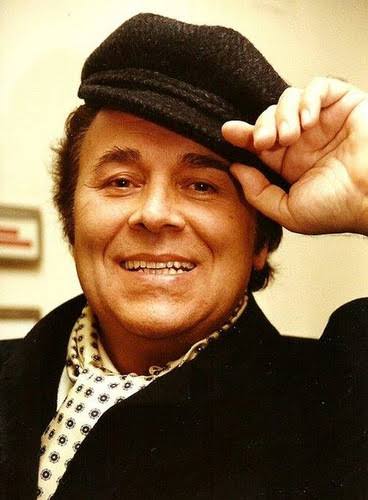
Giuseppe Verdi, Eugène Scribe, Charles Duveyrier [Italian translation by Arnaldo Fusinato]: O sdegni miei, tacete!… Volgi il guardo a me sereno… Arrigo! Ah, parli a un core… È dolce raggio (I vespri siciliani). Gianfranco Cecchele, Thomas Schippers, Orchestra Sinfonica di Roma della RAI [live Roma 05.XII.1970]

Giacomo Puccini, Giuseppe Adami [after Alfred Maria Willner, Heinz Reichert]: Chi il bel sogno di Doretta (La Rondine). Martin Rich, Radio Filharmonisch Orkest [live Concertgebouw 20.VII.1967]

Gustave Charpentier: Depuis le jour (Louise). Martin Rich, Radio Filharmonisch Orkest [live Concertgebouw 20.VII.1967]

Giacomo Meyerbeer, Eugène Scribe: D’ici je vois la mer [Final Scene] (L’Africaine). Sherrill Milnes, Gerd Albrecht, Sinfonieorchester on Chor des Bayerischen Rundfunks [live München 01.XI.1977]
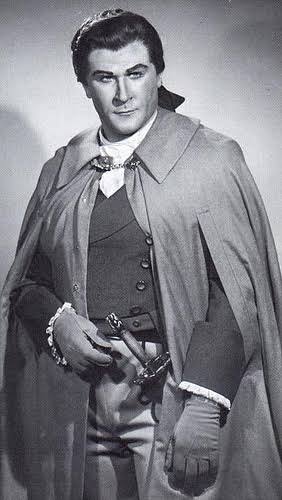
Francis Poulenc: Domine Deus, Agnus Dei (Gloria, FP 177/5). Eugene Ormandy, Philadelphia Orchestra, Rutgers University Choir [live Carnegie Hall 03.V.1968]
